 Leyendas y Mitos
 Cuentos de animales
 Cuentos de terror
Ver transcripción original
Goonur was a clever old woman-doctor, who lived with her son, Goonur, and his two wives. The wives were Guddah the red lizard, and Beereeun the small, prickly lizard. One day the two wives had done something to anger Goonur, their husband, and he gave them both a great beating. After their beating they went away by themselves. They said to each other that they could stand their present life no longer, and yet there was no escape unless they killed their husband. They decided they would do that. But how? That was the question. It must be by cunning.
At last they decided on a plan. They dug a big hole in the sand near the creek, filled it with water, and covered the hole over with boughs, leaves, and grass.
“Now we will go,” they said, “and tell our husband that we have found a big bandicoot’s nest.”
Back they went to the camp, and told Goonur that they had seen a big nest of bandicoots near the creek; that if he sneaked up he would be able to surprise them and get the lot.
Off went Goonur in great haste. He sneaked up to within a couple of feet of the nest, then gave a spring on to the top of it. And only when he felt the bough top give in with him, and he sank down into water, did he realise that he had been tricked. Too late then to save himself, for he was drowning and could not escape. His wives had watched the success of their stratagem from a distance. When they were certain that they had effectually disposed of their hated husband, they went back to the camp. Goonur, the mother, soon missed her son, made inquiries of his wives, but gained no information from them. Two or three days passed, and yet Goonur, the son, returned not. Seriously alarmed at his long absence without having given her notice of his intention, the mother determined to follow his track. She took up his trail where she had last seen him leave the camp. This she followed until she reached the so-called bandicoot’s nest. Here his tracks disappeared, and nowhere could she find a sign of his having returned from this place. She felt in the hole with her yarn stick, and soon felt that there was something large there in the water. She cut a forked stick and tried to raise the body and get it out, for she felt sure it must be her son. But she could not raise it; stick after stick broke in the effort. At last she cut a midjee stick and tried with that, and then she was successful. When she brought out the body she found it was indeed her son. She dragged the body to an ant bed, and watched intently to see if the stings of the ants brought any sign of returning life. Soon her hope was realised, and after a violent twitching of the muscles her son regained consciousness. As soon as he was able to do so, he told her of the trick his wives had played on him.
Goonur, the mother, was furious. “No more shall they have you as husband. You shall live hidden in my dardurr. When we get near the camp you can get into this long, big comebee, and I will take you in. When you want to go hunting I will take you from the camp in this comebee, and when we are out of sight you can get out and hunt as of old.”
And thus they managed for some time to keep his return a secret; and little the wives knew that their husband was alive and in his mother’s camp. But as day after day Goonur, the mother, returned from hunting loaded with spoils, they began to think she must have help from some one; for surely, they said, no old woman could be so successful in hunting. There was a mystery they were sure, and they were determined to find it out.
“See,” they said, “she goes out alone. She is old, and yet she brings home more than we two do together, and we are young. To-day she brought opossums, piggiebillahs, honey yams, quatha, and many things. We got little, yet we went far. We will watch her.”
The next time old Goonur went out, carrying her big comebee, the wives watched her.
“Look,” they said, “how slowly she goes. She could not climb trees for opossums—she is too old and weak; look how she staggers.”
They went cautiously after her, and saw when she was some distance from the camp that she put down her comebee. And out of it, to their amazement, stepped Goonur, their husband.
“Ah,” they said, “this is her secret. She must have found him, and, as she is a great doctor, she was able to bring him to life again. We must wait until she leaves him, and then go to him, and beg to know where he has been, and pretend joy that he is back, or else surely now he is alive again he will sometime kill us.”
Accordingly, when Goonur was alone the two wives ran to him, and said:
“Why, Goonur, our husband, did you leave us? Where have you been all the time that we, your wives, have mourned for you? Long has the time been without you, and we, your wives, have been sad that you came no more to our dardurr.”
Goonur, the husband, affected to believe their sorrow was genuine, and that they did not know when they directed him to the bandicoot’s nest that it was a trap. Which trap, but for his mother, might have been his grave.
They all went hunting together, and when they had killed enough for food they returned to the camp. As they came near to the camp, Goonur, the mother, saw them coming, and cried out:
“Would you again be tricked by your wives? Did I save you from death only that you might again be killed? I spared them, but I would I had slain them, if again they are to have a chance of killing you, my son. Many are the wiles of women, and another time I might not be able to save you. Let them live if you will it so, my son, but not with you. They tried to lure you to death; you are no longer theirs, mine only now, for did I not bring you back from the dead?”
But Goonur the husband said, “In truth did you save me, my mother, and these my wives rejoice that you did. They too, as I was, were deceived by the bandicoot’s nest, the work of an enemy yet to be found. See, my mother, do not the looks of love in their eyes, and words of love on their lips vouch for their truth? We will be as we have been, my mother, and live again in peace.”
And thus craftily did Goonur the husband deceive his wives and make them believe he trusted them wholly, while in reality his mind was even then plotting vengeance. In a few days he had his plans ready. Having cut and pointed sharply two stakes, he stuck them firmly in the creek, then he placed two logs on the bank, in front of the sticks, which were underneath the water, and invisible. Having made his preparations, he invited his wives to come for a bathe. He said when they reached the creek:
“See those two logs on the bank, you jump in each from one and see which can dive the furthest. I will go first to see you as you come up.” And in he jumped, carefully avoiding the pointed stakes. “Right,” he called. “All is clear here, jump in.”
Then the two wives ran down the bank each to a log and jumped from it. Well had Goonur calculated the distance, for both jumped right on to the stakes placed in the water to catch them, and which stuck firmly into them, holding them under the water.
“Well am I avenged,” said Goonur. “No more will my wives lay traps to catch me.” And he walked off to the camp.
His mother asked him where his wives were. “They left me,” he said, “to get bees’ nests.”
But as day by day passed and the wives returned not, the old woman began to suspect that her son knew more than he said. She asked him no more, but quietly watched her opportunity, when her son was away hunting, and then followed the tracks of the wives. She tracked them to the creek, and as she saw no tracks of their return, she went into the creek, felt about, and there found the two bodies fast on the stakes. She managed to get them off and out of the creek, then she determined to try and restore them to life, for she was angry that her son had not told her what he had done, but had deceived her as well as his wives. She rubbed the women with some of her medicines, dressed the wounds made by the stakes, and then dragged them both on to ants’ nests and watched their bodies as the ants crawled over them, biting them. She had not long to wait; soon they began to move and come to life again.
As soon as they were restored Goonur took them back to the camp and said to Goonur her son, “Now once did I use my knowledge to restore life to you, and again have I used it to restore life to your wives. You are all mine now, and I desire that you live in peace and never more deceive me, or never again shall I use my skill for you:”
And they lived for a long while together, and when the Mother Doctor died there was a beautiful, dazzlingly bright falling star, followed by a sound as of a sharp clap of thunder, and all the tribes round when they saw and heard this said, “A great doctor must have died, for that is the sign.” And when the wives died, they were taken up to the sky, where they are now known as Gwaibillah, the red star, so called from its bright red colour, owing, the legend says, to the red marks left by the stakes on the bodies of the two women, and which nothing could efface.
📄 Fuente: Australian Legendary Tales, Folk-Lore of the noongahburrahs as told to the Piccaninnies

Goonur era una astuta y anciana doctora que vivía con su hijo, Goonur, y sus dos esposas. Las esposas eran Guddah, la lagartija roja, y Beereeun, la pequeña lagartija espinosa. Un día, las dos esposas hicieron algo que enfureció a Goonur, su esposo, y él les dio una buena paliza. Después de la paliza, se fueron solos. Se dijeron que ya no soportaban su vida actual, y que, sin embargo, no habría escapatoria a menos que mataran a su esposo. Decidieron hacerlo. ¿Pero cómo? Esa era la cuestión. Debía ser con astucia.
Finalmente, idearon un plan. Cavaron un gran hoyo en la arena cerca del arroyo, lo llenaron de agua y lo cubrieron con ramas, hojas y hierba.
—Ahora iremos—, dijeron, —a decirle a nuestro esposo que hemos encontrado un gran nido de bandicut.
Regresaron al campamento y le dijeron a Goonur que habían visto un gran nido de bandicuts cerca del arroyo; que si se acercaba sigilosamente, podría sorprenderlos y apoderarse de todos.
Goonur partió a toda prisa. Se acercó sigilosamente a un par de pies del nido y saltó a la cima. Y solo cuando sintió que la rama cedía con él y se hundió en el agua, se dio cuenta de que lo habían engañado. Demasiado tarde para salvarse, pues se estaba ahogando y no podía escapar.
Sus esposas habían presenciado el éxito de su estratagema desde la distancia. Cuando estuvieron seguras de que habían eliminado con éxito a su odiado esposo, regresaron al campamento.
Goonur, la madre, pronto echó de menos a su hijo; preguntó a sus esposas, pero no obtuvo ninguna información. Pasaron dos o tres días, y Goonur, el hijo, seguía sin regresar. Gravemente alarmada por su larga ausencia sin haberle avisado de su intención, la madre decidió seguir su rastro. Continuó su rastro por donde lo había visto salir del campamento por última vez. Lo siguió hasta llegar al llamado nido del bandicut. Allí, sus huellas desaparecieron, y en ninguna parte pudo encontrar señal de su regreso. Palpó el agujero con su vara de lana y pronto sintió que había algo grande en el agua. Cortó un palo bifurcado e intentó levantar el cuerpo y sacarlo, pues estaba segura de que debía ser su hijo. Pero no pudo levantarlo; los palos se rompían en el esfuerzo. Finalmente, cortó un palo mediano y lo intentó con él, y lo logró. Cuando sacó el cuerpo, descubrió que efectivamente era su hijo. Arrastró el cuerpo hasta un hormiguero y observó atentamente si las picaduras de las hormigas traían alguna señal de vida. Pronto su esperanza se hizo realidad, y tras una violenta contracción muscular, su hijo recuperó el conocimiento. En cuanto pudo, le contó la jugarreta que le habían gastado sus esposas.
Goonur, la madre, estaba furiosa.
—Ya no te tendrán como esposo. Vivirás escondido en mi dardurr. Cuando nos acerquemos al campamento, puedes subirte a este comebee largo y grande, y yo te acogeré. Cuando quieras ir de caza, te sacaré del campamento en este comebee, y cuando nos perdamos de vista, podrás salir a cazar como antes.
Y así lograron mantener en secreto su regreso durante un tiempo; y poco sabían las esposas de que su esposo estaba vivo y en el campamento de su madre. Pero como día tras día Goonur, la madre, regresaba de caza cargada de botín, empezaron a pensar que alguien debía de ayudarla; porque, sin duda, decían, ninguna anciana podría tener tanto éxito cazando. Había un misterio del que estaban seguras, y estaban decididas a descubrirlo.
—Mira—, dijeron, —sale sola. Es vieja, y aun así trae a casa más que nosotros dos juntos, y somos jóvenes. Hoy trajo zarigüeyas, piggiebillahs, ñames de miel, quatha y muchas cosas. Nosotros conseguimos poco, pero llegamos lejos. La vigilaremos.
La siguiente vez que la vieja Goonur salió, cargando su gran comebee, las esposas la observaron.
—Miren—, dijeron, —qué despacio va. No podría trepar a los árboles para las zarigüeyas; está demasiado vieja y débil; miren cómo se tambalea.
La siguieron con cautela y, cuando se alejó del campamento, vio que soltaba a su abejita. Y de ella, para su asombro, salió Goonur, su esposo.
—Ah—, dijeron, —este es su secreto. Debe haberlo encontrado y, como es una gran doctora, pudo revivirlo. Debemos esperar a que lo deje, y luego ir a verlo, suplicarle que nos diga dónde ha estado y fingir alegría por su regreso, o si no, ahora que ha vuelto a la vida, seguro que algún día nos matará.
Así pues, cuando Goonur se quedó solo, las dos esposas corrieron hacia él y le dijeron:
—¿Por qué, Goonur, nuestro esposo, nos dejaste? ¿Dónde has estado todo el tiempo que nosotras, tus esposas, te hemos llorado? Hace mucho tiempo que no estás, y nosotras, tus esposas, estamos tristes porque ya no vienes a nuestro dardurr.
Goonur, el esposo, fingió creer que su dolor era genuino, y que no sabían, cuando lo llevaron al nido del bandicut, que era una trampa. Trampa que, de no ser por su madre, podría haber sido su tumba.
Todos fueron a cazar juntos, y cuando cazaron lo suficiente para alimentarse, regresaron al campamento. Al acercarse al campamento, Goonur, la madre, los vio venir y gritó:
—¿Acaso volverán a dejarse engañar por sus esposas? ¿Acaso los salvé de la muerte solo para que volvieran a matarlos? Las perdoné, pero ojalá las hubiera matado si de nuevo tienen la oportunidad de matarte, hijo mío. Muchas son las artimañas de las mujeres, y otra vez podría no ser capaz de salvarte. Déjalas vivir si así lo deseas, hijo mío, pero no contigo. Intentaron engañarte para que muriera; ya no eres suyo, ahora solo mío, ¿acaso no te resucité de entre los muertos?— Pero Goonur, el esposo, dijo:
—En verdad me salvaste, madre mía, y estas esposas mías se alegran de que lo hayas hecho. Ellas también, como yo, fueron engañadas por el nido del bandicut, obra de un enemigo aún por descubrir. Mira, madre mía, ¿no acaso las miradas de amor en sus ojos y las palabras de amor en sus labios no confirman su verdad? Seremos como hemos sido, madre mía, y volveremos a vivir en paz.
Y así, astutamente, Goonur, el esposo, engañó a sus esposas, haciéndoles creer que confiaba plenamente en ellas, cuando en realidad ya estaba tramando venganza. En pocos días, ya tenía sus planes listos. Tras cortar y afilar dos estacas, las clavó firmemente en el arroyo, luego colocó dos troncos en la orilla, frente a los palos, que estaban bajo el agua e invisibles. Tras los preparativos, invitó a sus esposas a bañarse. Cuando llegaron al arroyo, dijo:
—Miren esos dos troncos en la orilla. Salten cada uno desde uno a ver cuál se zambulle más lejos. Yo iré primero a verlas cuando suban—. Y saltó, evitando con cuidado las estacas puntiagudas. —¡Bien!—, gritó. —Todo está despejado, salten.
Entonces las dos esposas corrieron por la orilla, cada una hasta un tronco, y saltaron desde él. Goonur había calculado bien la distancia, pues ambas saltaron directamente a las estacas colocadas en el agua para atraparlos, las cuales se clavaron firmemente en ellos, manteniéndolos bajo el agua.
—Bien he sido vengado—, dijo Goonur. —Mis esposas ya no me tenderán trampas—. Y se fue al campamento.
Su madre le preguntó dónde estaban sus esposas.
—Me dejaron—, dijo, —para conseguir nidos de abejas.
Pero a medida que pasaban los días y las esposas no regresaban, la anciana empezó a sospechar que su hijo sabía más de lo que decía. No le preguntó más, sino que aprovechó la oportunidad en silencio, cuando su hijo estaba cazando, y luego siguió el rastro de las esposas. Las siguió hasta el arroyo, y como no vio rastro de su regreso, se adentró en él, tanteó y allí encontró los dos cuerpos atados a las estacas. Logró sacarlos del arroyo, y entonces decidió intentar devolverles la vida, pues estaba enfadada porque su hijo no le había contado lo que había hecho, sino que la había engañado a ella y a sus esposas. Frotó a las mujeres con algunas de sus medicinas, curó las heridas causadas por las estacas y luego las arrastró a ambas hasta hormigueros, observando sus cuerpos mientras las hormigas los picaban. No tuvo que esperar mucho; pronto comenzaron a moverse y a cobrar vida de nuevo.
Tan pronto como se recuperaron, Goonur los llevó de vuelta al campamento y le dijo a su hijo Goonur:
—Una vez usé mi conocimiento para devolverles la vida, y lo he vuelto a usar para devolverles la vida a sus esposas. Ahora son todos míos, y deseo que vivan en paz y que nunca más me engañen, o nunca más usaré mi habilidad por ustedes.
Y vivieron juntos mucho tiempo, y cuando la Madre Doctora murió, hubo una hermosa y deslumbrante estrella fugaz, seguida de un sonido como el de un trueno agudo, y todas las tribus de los alrededores, al verlo y oírlo, dijeron:
—Un gran doctor debe haber muerto, porque esa es la señal—. Y cuando las esposas murieron, fueron llevadas al cielo, donde ahora se las conoce como Gwaibillah, la estrella roja, llamada así por su brillante color rojo, debido, según la leyenda, a las marcas rojas dejadas por las estacas en los cuerpos de las dos mujeres, y que nada pudo borrar.
Cuento popular australiano recopilado por K. Langloh Parker en Australian Legendary Tales, Folk-Lore of the noongahburrahs as told to the Piccaninnies, en 1896
Glosario palabras aborígenes australianas del libro:
Bahloo, luna.
Beeargah, halcón.
Beeleer, cacatúa negra.
Beereeun, lagarto espinoso.
Bibbee, pájaro carpintero.
Bibbil, boj de hojas brillantes.
Bilber, una especie grande de rata.
Billai o Billay, loro de alas carmesí.
Bindeah, una espina pequeña.
Bingah wingul, arbusto de agujas, un arbusto alto y espinoso.
Birrahgnooloo, nombre de mujer, que significa “cara con mango de hacha”.
Birrahlee, bebé.
Birrableegul, niños.
Boobootella, el gran manojo de plumas en la espalda de un emú.
Boolooral, un búho.
Bumerán, un arma curva utilizada en la caza y la guerra por los aborígenes; llamada Burren por los aborígenes Narran.
Bootoolgah, grulla azul grisácea. Borah, una gran reunión de aborígenes donde los chicos son iniciados en los misterios que los convierten en hombres jóvenes.
Bou-gou-doo-gahdah, el pájaro de la lluvia. Como el pájaro enramado o el sinsonte.
Bouyou, patas.
Bowrah o Bohrah, canguro.
Bralgahs, compañero nativo, pájaro.
Bubberah, bumerán que regresa.
Buckandee, gato nativo.
Buggoo, ardilla voladora.
Bulgahnunnoo, dorso de corteza.
Bumble, un árbol frutal, a veces llamado naranjo silvestre y a veces granado silvestre. Capparis.
Bunbundoolooey, paloma parda en bandada.
Bunnyyarl, moscas.
Burreenjin, urraca, alondra o piwi.
Budtha, palo rosa, también nombre de niña.
Byamee, nombre de hombre, que significa “hombre grande”. Comebee, bolsa hecha de pieles de canguro.
Comeboo, hacha de piedra.
Cookooburrah, burro risueño.
Coorigil, nombre de lugar, que significa señal de abejas.
Corrobboree, danza de los aborígenes.
Cunnembeillee, nombre de mujer, que significa raíz de bledo.
Curree guin guin, pájaro carnicero.
Daen, negros (aborígenes).
Dardurr, corteza, jorobado o cobertizo.
Dayah minyah, serpiente alfombra.
Dayoorl, piedra grande y plana para moler semillas de hierba.
Deegeenboyah, pájaro soldado.
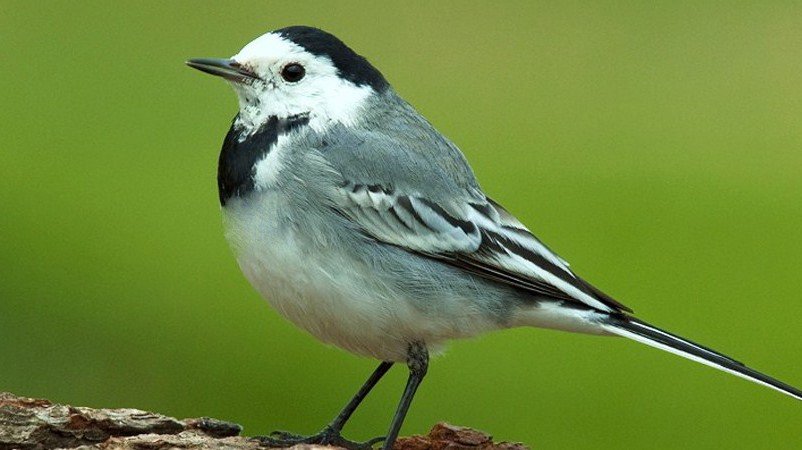
Decretaree, lavandera.
Dheal, el árbol sagrado de los Noongahburrahs, solo se usaba para cubrir las tumbas de los muertos.
Dinewan, emú.
Dingo, perro nativo.
Doonburr, semilla de hierba.
Doongara, relámpago. Dummerh, palomas.
Dungle, abrevadero.
Dunnia, acacia.
Durrie, pan hecho con semillas de hierba.
Eär moonan, dientes largos y afilados.
Euloo marah, larvas grandes de árbol. Comestible.
Euloo wirree, arcoíris.
Galah o Gilah, cacatúa francesa gris y rosada.
Gayandy, diablo borah.
Gidgereegah, especie de loro pequeño.
Girrahween, lugar de flores.
Gooeea, guerreros.
Googarh, iguana.
Googoolguyyah, convertirse en árboles.
Googoorewon, lugar de árboles.
Goolahbah, boj de hojas grises.
Goolahgool, árbol que retiene agua.
Goolahwilleel, paloma de la copa.
Gooloo, urraca. Goomade, sello rojo.
Goomai, rata de agua.
Goomblegubbon, bastardo o pavo común.
Goomillah, vestido de niña, compuesto por tiras de tendones de zarigüeya con mechones de pelo de zarigüeya tejido, que cuelgan de aproximadamente 30 cm cuadrados al frente.
Goonur, rata canguro.
Goug gour gahgah, idiota risueño. Significado literal: “Toma un palo”.
Grooee, árbol de hermoso follaje que da un fruto parecido a la ciruela, agrio y amargo, pero muy apreciado por los aborígenes.
Gubberah, piedras mágicas de Wirreenum. Agua cristalina transparente.
Guddah, lagarto rojo.
Guiebet, una enredadera espinosa que da masas de una hermosa flor parecida al mirto y un fruto comestible parecido al maracuyá.
Guinary, halcón águila ligero. Guineboo, petirrojo petirrojo.
Gurraymy, diablo borah.
Gwai, rojo.
Gwaibillah, estrella. Marte.
Kurreah, un caimán.
Mahthi, perro.
Maimah, piedras.
Maira, melón con cáscara.
Mayo o Mayr, viento.
Mayrah, viento primaveral.
Meainei, chicas.
Midjee, una especie de acacia.
Millair, especie de rata canguro.
Moodai, zarigüeya.
Moogaray, granizo.
Mooninguggahgul, pájaro que llama a los mosquitos.
Moonoon, lanza de emú.
Mooregoo, motoke.
Mooroonumildah, sin ojos.
Morilla o Moorillah, crestas de guijarros.
Mubboo, árbol de madera de res.
Mullyan, halcón águila.
Mullyangah, la estrella de la mañana.
Murgah muggui, araña gris grande.
Murrawondah, rata trepadora.
Narahdarn, murciélago.
Noongahburrah, tribu de aborígenes del Narran.
Nullah nullah, garrote o arma de cabeza pesada.
Nurroo gay gay, dolor terrible.
Nyunnoo o Nunnoo, un gorgojo herboso.
Ooboon, lagarto de lengua azul.
Oolah, lagarto rojo espinoso.
Oongnairwah, colimbo negro.
Ouyan, zarapito real.
Piggiebillah, oso hormiguero. Uno de los equidnas, un marsupial.
Quarrian, una especie de loro.
Quatha, quandong; un fruto rojo parecido a una ciruela redonda y roja.
U e hu, lluvia, solo llamado así en las canciones.
Waligoo, esconderse. Un juego como el escondite. Wahroogah, niños.
Wahn, cuervo.
Wayambeh, tortuga.
Waywah, usado por los hombres, consistente en un cinturón hecho con tendones de zarigüeya, del que cuelgan tiras de piel de melón.
Weedall, sinsonte.
Weeownbeen, un pájaro pequeño. Algo parecido a un petirrojo, solo que con una cola más larga y un pecho menos rojo.
Widya nurrah, un arma de madera con forma de hacha de guerra.
Willgoo willgoo, un palo puntiagudo con plumas en la parte superior.
Wirree, un pequeño trozo de corteza con forma de canoa.
Wirreenun, sacerdote o médico.
Womba, loco.
Wondah, espíritu o fantasma.
Wurranunnah, abejas silvestres.
Wurrawilberoo, torbellino con un demonio; también nubes de Magallanes.
Wurranunnah, abeja.
Wurrunnah, nombre de hombre, que significa estar de pie.
Yaraan, eucalipto blanco.
Yhi, el sol.
Yuckay, ¡Qué asco!