 Cuentos de terror
Ver transcripción original
Weedah was playing a great trick on the black fellows who lived near him. He had built himself a number of grass nyunnoos, more than twenty. He made fires before each, to make it look as if some one lived in the nyunnoos. First he would go into one nyunnoo, or humpy, and cry like a baby, then to another and laugh like a child, then in turn, as he went the round of the humpies he would sing like a maiden, corrobboree like a man, call out in a quavering voice like an old man, and in a shrill voice like an old woman; in fact, imitate any sort of voice he had ever heard, and imitate them so quickly in succession that any one passing would think there was a great crowd of blacks in that camp. His object was to entice as many strange black fellows into his camp as he could, one at a time; then he would kill them and gradually gain the whole country round for his own. His chance was when he managed to get a single black fellow into his camp, which he very often did, then by his cunning he always gained his end and the black fellow’s death. This was how he attained that end. A black fellow, probably separated from his fellows in the excitement of the chase, would be returning home alone passing within earshot of Weedah’s camp he would hear the various voices and wonder what tribe could be there. Curiosity would induce him to come near. He would probably peer into the camp, and, only seeing Weedah standing alone, would advance towards him. Weedah would be standing at a little distance from a big glowing fire, where he would wait until the strange black fellow came quite close to him. Then he would ask him what he wanted. The stranger would say he had heard many voices and had wondered what tribe it could be, so had come near to find out. Weedah would say, “But only I am here. How could you have heard voices? See; look round; I am alone.” Bewildered, the stranger would look round and say in a puzzled tone of voice: “Where are they all gone? As I came I heard babies crying, men calling, and women laughing; many voices I heard but you only I see.”
“And only I am here. The wind must have stirred the branches of the balah trees, and you must have thought it was the wailing of children, the laughing of the gouggourgahgah you heard, and thought it the laughter of women and mine must have been the voice as of men that you heard. Alone in the bush, as the shadows fall, a man breeds strange fancies. See by the light of this fire, where are your fancies now? No women laugh, no babies cry, only I, Weedah, talk.” As Weedah was talking he kept edging the stranger towards the fire; when they were quite close to it, he turned swiftly, seized him, and threw him right into the middle of the blaze. This scene was repeated time after time, until at last the ranks of the black fellows living round the camp of Weedah began to get thin.
Mullyan, the eagle hawk, determined to fathom the mystery, for as yet the black fellows had no clue as to how or where their friends had disappeared. Mullyan, when Beeargah, his cousin, returned to his camp no more, made up his mind to get on his track and follow it, until at length he solved the mystery. After following the track of Beeargah, as he had chased the kangaroo to where he had slain it, on he followed his homeward trail. Over stony ground he tracked him, and through sand, across plains, and through scrub. At last in a scrub and still on the track of Beeargah, he heard the sounds of many voices, babies crying, women singing, men talking. Peering through the bush, finding the track took him nearer the spot whence came the sounds, he saw the grass humpies. “Who can these be?” he thought. The track led him right into the camp, where alone Weedah was to be seen. Mullyan advanced towards him and asked where were the people whose voices he had heard as he came through the bush.
Weedah said: “How can I tell you? I know of no people; I live alone.”
“But,” said Mullyan, the eagle hawk, “I heard babies crying, women laughing, and men talking, not one but many.”
“And I alone am here. Ask of your cars what trick they played you, or perhaps your eyes fail you now. Can you see any but me? Look for yourself.”
“And if, as indeed it seems, you only are here, what did you with Beeargah my cousin, and where are my friends? Many are their trails that I see coming into this camp, but none going out. And if you alone live here you alone can answer me.”
“What know I of you or your friends? Nothing. Ask of the winds that blow. Ask of Bahloo the moon, who looks down on the earth by night. Ask of Yhi the sun, that looks down by day. But ask not Weedah, who dwells alone, and knows naught of your friends.” But as Weedah was talking he was carefully edging Mullyan towards the fire.
Mullyan, the eagle hawk, too, was cunning, and not easy to trap. He saw a blazing fire in front of him, lie saw the track of his friend behind him, he saw Weedah was edging him towards the fire, and it came to him in a moment the thought that if the fire could speak, well could it tell where were his friends. But the time was not yet come to show that he had fathomed the mystery. So he affected to fall into the trap. But when they reached the fire, before Weedah had time to act his usual part, with a mighty grip Mullyan the eagle hawk seized him, saying,
“Even as you served Beeargah the hawk, my cousin, and my friends, so now serve I you.” And right into the middle of the blazing fire he threw him. Then he turned homewards in haste, to tell the black fellows that he had solved the fate of their friends, which had so long been a mystery. When he was some distance from the Weedah’s camp, he heard the sound of a thunder clap. But it was not thunder it was the bursting of the back of Weedah’s head, which had burst with a bang as of a thunder clap. And as it burst, out from his remains had risen a bird, Weedah, the mocking bird; which bird to this day has a hole at the back of his head, just in the same place as Weedah the black fellow’s head had burst, and whence the bird came forth.
To this day the Weedah makes grass playgrounds, through which he runs, imitating, as he plays, in quick succession, any voices he has ever heard, from the crying of a child to the laughing of a woman; from the mewing of a cat to the barking of a dog, and hence his name Weedah, the mocking bird.
📄 Fuente: Australian Legendary Tales, Folk-Lore of the noongahburrahs as told to the Piccaninnies
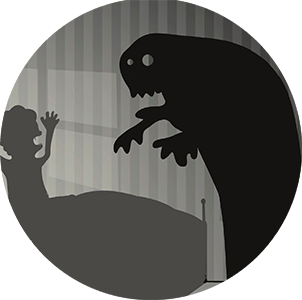
Weedah les estaba gastando una broma a los negros que vivían cerca. Se había construido varios nyunnoos de hierba, más de veinte. Encendía fogatas delante de cada uno, para que pareciera que alguien vivía en ellos. Primero entraba en un nyunnoo, o joroba, y lloraba como un bebé, luego en otro y reía como un niño, y luego, por turnos, al recorrer las jorobas, cantaba como una doncella, corroboraba como un hombre, gritaba con voz temblorosa como un anciano y con voz chillona como una anciana; de hecho, imitaba cualquier voz que hubiera oído, y las imitaba tan rápidamente en sucesión que cualquiera que pasara pensaría que había una gran multitud de negros en ese campamento. Su objetivo era atraer a tantos negros desconocidos como pudiera a su campamento, uno a uno; luego los mataría y poco a poco se haría con todo el territorio circundante. Su oportunidad se presentaba cuando lograba que un solo negro entrara en su campamento, algo que hacía muy a menudo. Con su astucia, siempre conseguía su objetivo y la muerte del negro. Así era como lo conseguía. Un negro, probablemente separado de sus compañeros en la excitación de la persecución, regresaba solo a casa y pasaba cerca del campamento de Weedah. Oía las diversas voces y se preguntaba qué tribu podría estar allí. La curiosidad lo impulsaba a acercarse. Probablemente se asomaba al campamento y, al ver solo a Weedah, avanzaba hacia él. Weedah se encontraba a poca distancia de una gran hoguera, donde esperaba hasta que el extraño negro se acercara lo suficiente. Entonces le preguntaba qué quería. El extraño decía que había oído muchas voces y se preguntaba de qué tribu se trataba, por lo que se había acercado para averiguarlo. Weedah decía:
—Pero solo estoy aquí. ¿Cómo has podido oír voces? Mira; mira a tu alrededor; estoy solo—. Desconcertado, el extraño miraba a su alrededor y decía con voz perpleja:
—¿Dónde se han metido todos? Al llegar, oí a bebés llorar, a hombres llamar y a mujeres reír; oí muchas voces, pero solo a ti te veo.
—Y solo yo estoy aquí. El viento debió agitar las ramas de los árboles balah, y debiste pensar que era el llanto de los niños, la risa del gouggourgahgah lo que oíste, y que era la risa de las mujeres, y la mía debió ser la voz de los hombres lo que oíste. Solo en el bosque, al caer las sombras, un hombre alberga extrañas fantasías. Mira a la luz de este fuego, ¿dónde están tus fantasías ahora? Ninguna mujer ríe, ningún bebé llora, solo yo, Weedah, hablo.
Mientras Weedah hablaba, seguía empujando al extraño hacia el fuego; cuando estuvieron muy cerca, se giró rápidamente, lo agarró y lo arrojó justo en medio de las llamas. Esta escena se repitió una y otra vez, hasta que finalmente las filas de los negros que vivían alrededor del campamento de Weedah comenzaron a disminuir.
Mullyan, el halcón águila, decidido a desentrañar el misterio, pues los negros aún no tenían ni idea de cómo ni dónde habían desaparecido sus amigos. Al ver que Beeargah, su primo, ya no regresaba a su campamento, Mullyan decidió seguir su rastro hasta que finalmente resolvió el misterio. Tras seguir el rastro de Beeargah, como había perseguido al canguro hasta donde lo había matado, continuó su camino a casa. Lo siguió por terreno pedregoso, arena, llanuras y matorrales. Finalmente, entre matorrales y aún siguiendo el rastro de Beeargah, oyó muchas voces: bebés llorando, mujeres cantando, hombres hablando. Escudriñando entre los arbustos, descubrió que el rastro lo acercaba al lugar de donde provenían los sonidos y vio los montículos de hierba.
—¿Quiénes serán estos?—, pensó. El rastro lo condujo directamente al campamento, donde solo se veía a Weedah. Mullyan avanzó hacia él y le preguntó dónde estaban las personas cuyas voces había oído al cruzar la maleza.
Weedah dijo:
—¿Cómo puedo decírtelo? No conozco a nadie; vivo solo.
—Pero—, dijo Mullyan, el halcón águila, —oí a bebés llorar, a mujeres reír y a hombres hablar; no a uno, sino a muchos.
—Y solo yo estoy aquí. Pregúntales a tus carros qué truco te gastaron, o quizás ahora te falla la vista. ¿Puedes ver a alguien más que a mí? Compruébalo tú mismo.
—Y si, como en efecto parece, solo tú estás aquí, ¿qué hiciste con mi primo Beeargah? ¿Y dónde están mis amigos? Veo muchos rastros de ellos entrando en este campamento, pero ninguno saliendo. Y si solo tú vives aquí, solo tú puedes responderme.
—¿Qué sé de ti o de tus amigos? Nada. Pregúntale a los vientos que soplan. Pregúntale a Bahloo, la luna, que contempla la tierra de noche. Pregúntale a Yhi, el sol, que contempla de día. Pero no le preguntes a Weedah, que vive solo y no sabe nada de tus amigos. Mientras Weedah hablaba, con cuidado empujaba a Mullyan hacia el fuego.
Mullyan, el halcón águila, también era astuto y difícil de atrapar. Vio un fuego abrasador frente a él, vio el rastro de su amigo tras él, vio a Weedah acercándolo al fuego, y en un instante pensó que si el fuego podía hablar, bien podría decir dónde estaban sus amigos. Pero aún no había llegado el momento de demostrar que había descifrado el misterio. Así que fingió caer en la trampa. Pero cuando llegaron al fuego, antes de que Weedah tuviera tiempo de actuar como de costumbre, Mullyan, el halcón águila, lo agarró con fuerza, diciendo:
—Así como serviste a Beeargah el halcón, mi primo y mis amigos, ahora te sirvo yo.
Y lo arrojó justo en medio de las llamas. Luego regresó a casa apresuradamente para contarles a los negros que había resuelto el destino de sus amigos, que durante tanto tiempo había sido un misterio. A cierta distancia del campamento de Weedah, oyó el sonido de un trueno. Pero no era un trueno, sino el estallido de la nuca de Weedah, que estalló con un estruendo como el de un trueno. Y al estallar, de sus restos emergió un pájaro, Weedah, el sinsonte; este pájaro aún conserva un agujero en la nuca, justo en el mismo lugar donde se reventó la cabeza de Weedah, el negro, y de donde salió el pájaro.
Hasta el día de hoy, Weedah construye patios de juego con césped, por donde corre imitando, mientras toca, en rápida sucesión, todas las voces que haya oído alguna vez, desde el llanto de un niño hasta la risa de una mujer; desde el maullido de un gato hasta el ladrido de un perro, y de ahí su nombre Weedah, el pájaro sinsonte.
Cuento popular australiano recopilado por K. Langloh Parker en Australian Legendary Tales, Folk-Lore of the noongahburrahs as told to the Piccaninnies, en 1896
Glosario palabras aborígenes australianas del libro:
Bahloo, luna.
Beeargah, halcón.
Beeleer, cacatúa negra.
Beereeun, lagarto espinoso.
Bibbee, pájaro carpintero.
Bibbil, boj de hojas brillantes.
Bilber, una especie grande de rata.
Billai o Billay, loro de alas carmesí.
Bindeah, una espina pequeña.
Bingah wingul, arbusto de agujas, un arbusto alto y espinoso.
Birrahgnooloo, nombre de mujer, que significa “cara con mango de hacha”.
Birrahlee, bebé.
Birrableegul, niños.
Boobootella, el gran manojo de plumas en la espalda de un emú.
Boolooral, un búho.
Bumerán, un arma curva utilizada en la caza y la guerra por los aborígenes; llamada Burren por los aborígenes Narran.
Bootoolgah, grulla azul grisácea. Borah, una gran reunión de aborígenes donde los chicos son iniciados en los misterios que los convierten en hombres jóvenes.
Bou-gou-doo-gahdah, el pájaro de la lluvia. Como el pájaro enramado o el sinsonte.
Bouyou, patas.
Bowrah o Bohrah, canguro.
Bralgahs, compañero nativo, pájaro.
Bubberah, bumerán que regresa.
Buckandee, gato nativo.
Buggoo, ardilla voladora.
Bulgahnunnoo, dorso de corteza.
Bumble, un árbol frutal, a veces llamado naranjo silvestre y a veces granado silvestre. Capparis.
Bunbundoolooey, paloma parda en bandada.
Bunnyyarl, moscas.
Burreenjin, urraca, alondra o piwi.
Budtha, palo rosa, también nombre de niña.
Byamee, nombre de hombre, que significa “hombre grande”. Comebee, bolsa hecha de pieles de canguro.
Comeboo, hacha de piedra.
Cookooburrah, burro risueño.
Coorigil, nombre de lugar, que significa señal de abejas.
Corrobboree, danza de los aborígenes.
Cunnembeillee, nombre de mujer, que significa raíz de bledo.
Curree guin guin, pájaro carnicero.
Daen, negros (aborígenes).
Dardurr, corteza, jorobado o cobertizo.
Dayah minyah, serpiente alfombra.
Dayoorl, piedra grande y plana para moler semillas de hierba.
Deegeenboyah, pájaro soldado.
Decretaree, lavandera.
Dheal, el árbol sagrado de los Noongahburrahs, solo se usaba para cubrir las tumbas de los muertos.
Dinewan, emú.
Dingo, perro nativo.
Doonburr, semilla de hierba.
Doongara, relámpago. Dummerh, palomas.
Dungle, abrevadero.
Dunnia, acacia.
Durrie, pan hecho con semillas de hierba.
Eär moonan, dientes largos y afilados.
Euloo marah, larvas grandes de árbol. Comestible.
Euloo wirree, arcoíris.
Galah o Gilah, cacatúa francesa gris y rosada.
Gayandy, diablo borah.
Gidgereegah, especie de loro pequeño.
Girrahween, lugar de flores.
Gooeea, guerreros.
Googarh, iguana.
Googoolguyyah, convertirse en árboles.
Googoorewon, lugar de árboles.
Goolahbah, boj de hojas grises.
Goolahgool, árbol que retiene agua.
Goolahwilleel, paloma de la copa.
Gooloo, urraca. Goomade, sello rojo.
Goomai, rata de agua.
Goomblegubbon, bastardo o pavo común.
Goomillah, vestido de niña, compuesto por tiras de tendones de zarigüeya con mechones de pelo de zarigüeya tejido, que cuelgan de aproximadamente 30 cm cuadrados al frente.
Goonur, rata canguro.
Goug gour gahgah, idiota risueño. Significado literal: “Toma un palo”.
Grooee, árbol de hermoso follaje que da un fruto parecido a la ciruela, agrio y amargo, pero muy apreciado por los aborígenes.
Gubberah, piedras mágicas de Wirreenum. Agua cristalina transparente.
Guddah, lagarto rojo.
Guiebet, una enredadera espinosa que da masas de una hermosa flor parecida al mirto y un fruto comestible parecido al maracuyá.
Guinary, halcón águila ligero. Guineboo, petirrojo petirrojo.
Gurraymy, diablo borah.
Gwai, rojo.
Gwaibillah, estrella. Marte.
Kurreah, un caimán.
Mahthi, perro.
Maimah, piedras.
Maira, melón con cáscara.
Mayo o Mayr, viento.
Mayrah, viento primaveral.
Meainei, chicas.
Midjee, una especie de acacia.
Millair, especie de rata canguro.
Moodai, zarigüeya.
Moogaray, granizo.
Mooninguggahgul, pájaro que llama a los mosquitos.
Moonoon, lanza de emú.
Mooregoo, motoke.
Mooroonumildah, sin ojos.
Morilla o Moorillah, crestas de guijarros.
Mubboo, árbol de madera de res.
Mullyan, halcón águila.
Mullyangah, la estrella de la mañana.
Murgah muggui, araña gris grande.
Murrawondah, rata trepadora.
Narahdarn, murciélago.
Noongahburrah, tribu de aborígenes del Narran.
Nullah nullah, garrote o arma de cabeza pesada.
Nurroo gay gay, dolor terrible.
Nyunnoo o Nunnoo, un gorgojo herboso.
Ooboon, lagarto de lengua azul.
Oolah, lagarto rojo espinoso.
Oongnairwah, colimbo negro.
Ouyan, zarapito real.
Piggiebillah, oso hormiguero. Uno de los equidnas, un marsupial.
Quarrian, una especie de loro.
Quatha, quandong; un fruto rojo parecido a una ciruela redonda y roja.
U e hu, lluvia, solo llamado así en las canciones.
Waligoo, esconderse. Un juego como el escondite. Wahroogah, niños.
Wahn, cuervo.
Wayambeh, tortuga.
Waywah, usado por los hombres, consistente en un cinturón hecho con tendones de zarigüeya, del que cuelgan tiras de piel de melón.
Weedall, sinsonte.
Weeownbeen, un pájaro pequeño. Algo parecido a un petirrojo, solo que con una cola más larga y un pecho menos rojo.
Widya nurrah, un arma de madera con forma de hacha de guerra.
Willgoo willgoo, un palo puntiagudo con plumas en la parte superior.
Wirree, un pequeño trozo de corteza con forma de canoa.
Wirreenun, sacerdote o médico.
Womba, loco.
Wondah, espíritu o fantasma.
Wurranunnah, abejas silvestres.
Wurrawilberoo, torbellino con un demonio; también nubes de Magallanes.
Wurranunnah, abeja.
Wurrunnah, nombre de hombre, que significa estar de pie.
Yaraan, eucalipto blanco.
Yhi, el sol.
Yuckay, ¡Qué asco!