 Cuentos con magia
Ver transcripción original
XI.—THE SUN-HORSE.
There was once upon a time a country, sad and gloomy as the grave, on which God’s sun never shone. But there was a king there, and this king possessed a horse with a sun on his forehead; and this sun-horse of his the king caused to be led up and down the dark country, from one end to the other, that the people might be able to exist there; and light came from him on all sides wherever he was led, just as in the most beautiful day.
All at once the sun-horse disappeared. A darkness worse than that of night prevailed over the whole country, and nothing could disperse it. Unheard-of terror spread among the subjects; frightful misery began to afflict them, for they could neither manufacture anything nor earn anything, and such confusion arose among them that everything was turned topsy-turvy. The king, therefore, in order to liberate his realm and prevent universal destruction, made ready to seek the sun-horse with his whole army.
Through thick darkness he made his way as best he could to the frontier of his realm. Over dense mountains thousands of ages old God’s light began now to break from another country, as if the sun were rising in the morning out of thick fogs. On such a mountain the king came with his army to a poor lonely cottage. He went in to inquire where he was, what it was, and how to get further. At a table sat a peasant, diligently reading in an open book. When the king bowed to him he raised his eyes, thanked him, and stood up. His whole person announced that he was not a man like another man, but a seer.
‘I was just reading about you,’ said he to the king, ‘how that you are going to seek the sun-horse. Journey no further, for you will not obtain him; but rely on me: I will find him for you.’ ‘I promise you, good man, I will recompense you royally,’ replied the king, ‘if you bring him here to me.’ ‘I require no recompense; return home with your army—you’re wanted there; only leave me one servant.’
The next day the seer set out with the servant. The way was far and long, for they passed through six countries, and had still further to go, till in the seventh country they stopped at the royal palace. In this seventh country ruled three own brothers, who had to wife three own sisters, whose mother was a witch. When they stopped in front of the palace, the seer said to his servant: ‘Do you hear? you stay here, and I will go in to ascertain whether the kings are at home; for the horse with the sun is in their possession—the youngest rides upon him.’ Therewith he transformed himself into a green bird, and, flying on the gable of the eldest queen’s roof, flew up and down and pecked at it until she opened the window and let him into her chamber. And when she let him in he perched on her white hand, and the queen was as delighted with him as a little child. ‘Ah, what a dear creature you are!’ said she, as she played with him; ‘if my husband were at home he would indeed be delighted with you; but he won’t come till evening; he has gone to visit the third part of his country.’
All at once the old witch came into the room, and, seeing the bird, screamed to her daughter, ‘Wring the accursed bird’s neck, for it’s making you bleed!’ ‘Well, what if it should make me bleed? it’s such a dear; it’s such an innocent dear!’ answered the daughter. But the witch said: ‘Dear innocent mischief! here with him! let me wring his neck!’ and dashed at it. But the bird cunningly transformed itself into a man, and, pop! out through the door, and they didn’t know whither he had betaken himself.
Afterwards he again transformed himself into a green bird, flew on the gable of the middle sister, and pecked at it till she opened the window for him. And when she let him in he flew on to her white hand, and fluttered from one hand to the other. ‘Oh, what a dear creature you are!’ cried the queen, smiling; ‘my husband would indeed be delighted with you if he were at home; but he won’t come till to-morrow evening; he has gone to visit two thirds of his kingdom.’
Thereupon the witch burst into the room. ‘Wring the accursed bird’s neck! wring its neck, for it’s making you bleed!’ cried she as soon as she espied it. ‘Well, what if it should make me bleed? it’s such a dear, such an innocent dear!’ replied the daughter. But the witch said: ‘Dear innocent mischief! here with it! let me wring its neck!’ and was already trying to seize it. But at that moment the green bird changed itself into a man, ran out through the door, and disappeared, as it were, in the clap of a hand, so that they didn’t know whither he had gone.
A little while afterwards he changed himself again into a green bird and flew on the gable of the youngest queen’s roof, and flew up and down, and pecked at it until she opened the window to him. And when she had let him in he flew straight on to her white hand, and made himself so agreeable to her that she played with him with the delight of a child. ‘Ah, what a dear creature you are!’ said the queen; ‘if my husband were at home he would certainly be delighted with you, but he won’t come till the day after to-morrow at even; he has gone to visit all three parts of his kingdom.’
At that moment the old witch came into the room. ‘Wring, wring the accursed bird’s neck!’ screamed she in the doorway, ‘for it is making you bleed.’ ‘Well, what if it should make me bleed, mother? it is so beautiful, so innocent,’ answered the daughter. The witch said, ‘Beautiful innocent mischief! here with him! let me wring his neck!’ But at that moment the bird changed itself into a man, and pop! out through the door, so that none of them saw him more.
Now the seer knew where the kings were, and when they would arrive. He went to his servant and ordered him to follow him out of the town. On they went with rapid step till they came to a bridge, over which the kings were obliged to pass.
Under this bridge they stayed waiting till the evening. When at even the sun was sinking behind the mountains, the clatter of a horse was heard near the bridge. It was the eldest king returning home. Close to the bridge his horse stumbled over a log of wood, which the seer had thrown across the bridge. ‘Ha! what scoundrel was that who threw this log across the road?’ exclaimed the king in anger. Thereat the seer sprang out from under the bridge and rushed upon the king for ‘daring to call him a scoundrel,’ and, drawing his sword, attacked him. The king, too, drew his sword to defend himself, but after a short combat fell dead from his horse. The seer bound the dead king on the horse, and gave the horse a lash with the whip to make him carry his dead master home. He then withdrew under the bridge, and they waited there till the next evening.
When day a second time declined towards evening, the middle king came to the bridge, and, seeing the ground sprinkled with blood, cried out, ‘Somebody’s been killed here! Who has dared to perpetrate such a crime in my kingdom?’ At these words the seer sprang out from under the bridge and rushed upon the king with drawn sword, exclaiming, ‘How dare you insult me? Defend yourself as best you can!’ The king did defend himself, but after a brief struggle yielded up his life under the sword of the seer. The seer again fastened his corpse upon the horse, and gave the horse a lash with the whip to make him carry his dead master home. They then withdrew under the bridge and waited till the third evening came.
The third evening, at the very setting of the sun, up darted the youngest king on the sun-horse, darted up with speed, for he was somewhat late; but when he saw the red blood in front of the bridge, he stopped, and gazing at it exclaimed, ‘It is an unheard-of villain who has dared to murder a man in my kingdom!’ Scarcely had these words issued from his mouth when the seer placed himself before him with drawn sword, sternly bidding him defend himself, ‘for he had wounded his honour.’ ‘I don’t know how,’ answered the king, ‘unless it is you that are the villain.’ But as his adversary attacked him with a sword, he, too, drew his, and defended himself manfully.
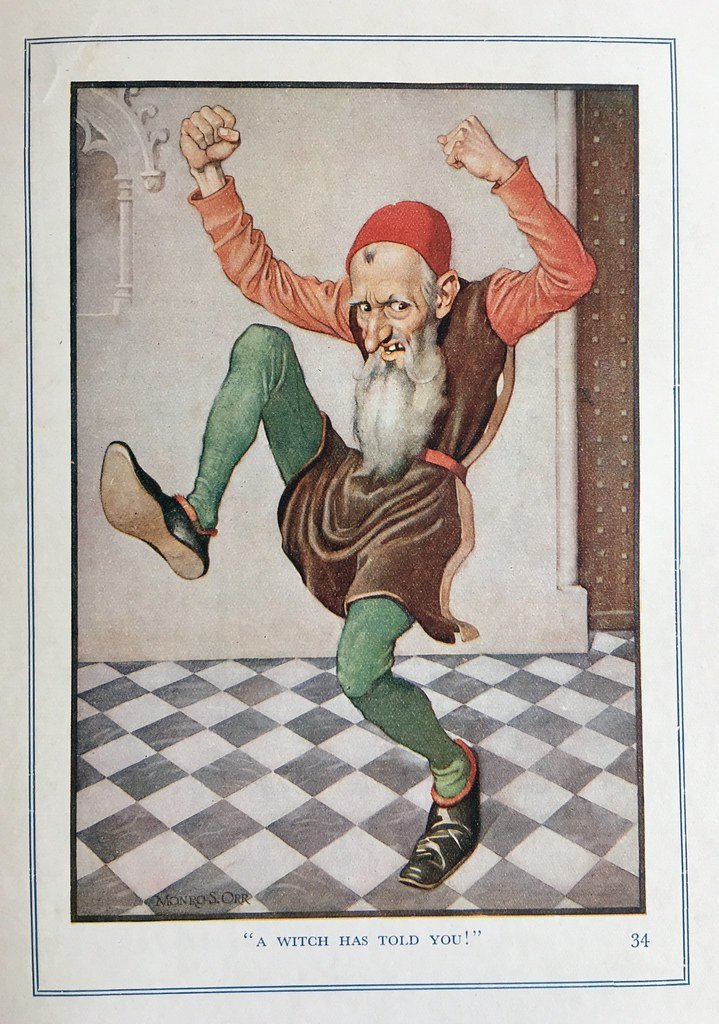
It had been mere play to the seer to overcome the first two kings, but it was not so with this one. Long time they fought, and broke their swords, yet victory didn’t show itself either on the one side or on the other. ‘We shall effect nothing with swords,’ said the seer, ‘but do you know what? Let us turn ourselves into wheels and start down from the hill; the wheel which breaks shall be the conquered.’ ‘Good!’ said the king; ‘I’ll be a cart-wheel, and you shall be a lighter wheel.’ ‘Not so,’ cunningly said the seer; ‘you shall be the lighter wheel, and I will be the cart-wheel;’ and the king agreed to it. Then they went up the hill, turned themselves into wheels, and started downwards. The cart-wheel flew to pieces, and bang! right into the lighter wheel, so that it all smashed up. Immediately the seer arose out of the cart-wheel and joyfully exclaimed, ‘There you are, the victory is mine!’ ‘Not a bit of it, sir brother!’ cried the king, placing himself in front of the seer; ‘you have only broken my fingers. But do you know what? Let us make ourselves into flames, and the flame which burns up the other shall be the victor. I will make myself into a red flame, and do you make yourself into a bluish one.’ ‘Not so!’ interrupted the seer; ‘you make yourself into a bluish flame, and I will make myself into a red one.’ The king agreed to this also. They went into the road to the bridge, and, changing themselves into flames, began to burn each other unmercifully. Long did they burn each other, but nothing came of it. Thereupon, by coincidence, up came an old beggar with a long gray beard, a bald head, a large scrip at his side, leaning upon a thick staff. ‘Old father!’ said the bluish flame, ‘bring some water and quench this red flame; I’ll give you a penny for it.’ The red flame cunningly exclaimed, ‘Old father! I’ll give you a shilling if you’ll pour the water on this bluish flame.’ The old beggar liked the shilling better than the penny, brought water and quenched the bluish flame. Then it was all over with the king. The red flame turned itself into a man, took the sun-horse by the bridle, mounted on his back, called the servant, thanked the beggar for the service he had rendered, and went off.
In the royal palaces there was deep grief at the murder of the two kings; the entire palaces were draped with black cloth, and the people crowded into them from all quarters to gaze at the cut and slashed bodies of the two elder brothers, whose horses had brought them home. The old witch, exasperated at the death of her sons-in-law, devised a plan of vengeance on their murderer, the seer. She seated herself with speed on an iron rake, took her three daughters under her arms, and pop! off with them into the air.
The seer and his servant had already got through a good part of their journey, and were then crossing desert mountains, a treeless waste. Here a terrible hunger seized the servant, and there wasn’t even a wild plum to assuage it. All of a sudden they came to an apple-tree. Apples were hanging on it; the branches were all but breaking under their weight; their scent was beautiful; they were delightfully ruddy, so that they almost offered themselves to be eaten. ‘Praise be to God!’ cried the delighted servant; ‘I shall eat one of those apples with an excellent appetite.’ ‘Don’t attempt to gather one of them!’ cried the seer to him; ‘wait, I’ll gather some for you myself.’ But instead of plucking an apple, he drew his sword and thrust it mightily into the apple-tree; red blood spouted out of it. ‘There,’ said he, ‘you would have come to harm if you had eaten any of those apples, for the apple-tree was the eldest queen, whose mother placed her there to put us out of this world.’
After a time they came to a spring; water clear as crystal bubbled up in it, all but running over the brim and thus attracting wayfarers. ‘Ah!’ said the servant, ‘if we can’t get anything better, let us at any rate have a drink of this good water.’ ‘Don’t venture to drink of it!’ shouted the seer; ‘but stay, I’ll get you some of it.’ Yet he didn’t get him any water, but thrust his drawn sword into the midst of it; it was immediately discoloured with blood, which began to flow from it in mighty waves. ‘That is the middle queen, whose mother placed her here to put us out of this world,’ said the seer, and the servant thanked him for his warning, and went on, would he, nould he, in hunger and thirst, whithersoever the seer led him.
After a time they came to a rose-bush, which was red with delightful roses, and filled the air round about with their scent. ‘Oh, what beautiful roses!’ said the servant; ‘I never saw such beauties in all my life. I’ll go and gather a few of them; I will at any rate comfort myself with them if I can’t assuage my hunger and thirst.’ ‘Don’t venture to gather one of them!’ cried the seer; ‘I will gather them for you.’ With that he cut into the bush with his sword; red blood spurted out, as if he had cut the vein of a human being. ‘That is the youngest queen,’ said the seer to his servant, ‘whom her mother, the witch, placed here with the intention of taking vengeance upon us for the death of her sons-in-law.’ They then went on.
When they crossed the frontier of the dark realm, flashes flew in all directions from the horse’s forehead, and everything came to life again, beautiful regions rejoiced and blossomed with the flowers of spring. The king didn’t know how to thank the seer sufficiently, and offered him the half of his kingdom as a reward, but he declined it. ‘You are king,’ said he; ‘rule over the whole realm, and I will return to my cottage in peace.’ He took leave and departed.
📄 Fuente: Sixty Folk-Tales from Exclusively Slavonic Sources
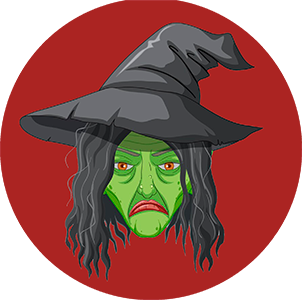
Había una vez un país, triste y sombrío como la tumba, sobre el cual nunca brilló el sol de Dios. Pero allí había un rey, y este rey poseía un caballo con un sol en la frente; y a ese caballo solar el rey hacía pasear por todo el país oscuro, de un extremo a otro, para que la gente pudiera sobrevivir allí; y de él emanaba luz en todas direcciones, allá donde era conducido, tal como en el día más hermoso.
De repente, el caballo solar desapareció. Una oscuridad peor que la de la noche se apoderó de todo el país, y nada podía dispersarla. Un terror nunca antes escuchado se extendió entre los súbditos; una miseria terrible comenzó a afligirlos, pues no podían fabricar ni ganar nada, y tal confusión reinó que todo se volvió del revés. El rey, para liberar su reino y evitar la destrucción total, se preparó para buscar al caballo solar con todo su ejército.
A través de una espesa oscuridad avanzó como pudo hasta la frontera de su reino. Sobre densas montañas, de miles de años, comenzó a romperse la luz de Dios desde otro país, como si el sol amaneciera entre nieblas espesas. En una de esas montañas el rey llegó con su ejército hasta una humilde y solitaria cabaña. Entró para preguntar dónde estaba, qué lugar era y cómo continuar el camino. En una mesa estaba sentado un campesino, leyendo atentamente un libro abierto. Cuando el rey se inclinó ante él, levantó los ojos, le dio las gracias y se puso de pie. Su porte entero anunciaba que no era un hombre común, sino un vidente.
—Justo estaba leyendo sobre usted —le dijo al rey—, sobre cómo va a buscar al caballo solar. No avance más, porque no lo obtendrá; pero confíe en mí: yo lo encontraré por usted.
—Le prometo, buen hombre, que le recompensaré generosamente —respondió el rey— si me lo trae aquí.
—No necesito recompensa; regrese a casa con su ejército, lo necesitan allí; solo déjeme un sirviente.
Al día siguiente, el vidente partió con el sirviente. El camino fue largo y extenso, pues cruzaron seis países, y aún les quedaba más por recorrer, hasta que en el séptimo país se detuvieron frente al palacio real. En ese séptimo país gobernaban tres hermanos, casados con tres hermanas, y la madre de estas era una bruja. Cuando se detuvieron ante el palacio, el vidente dijo a su sirviente:
—¿Escuchas? Te quedas aquí, y yo entraré para saber si los reyes están en casa; porque el caballo con el sol está en su poder —el más joven es quien monta en él.
Con esto, se transformó en un pájaro verde, y volando sobre el tejado de la reina mayor, picoteó hasta que ella abrió la ventana y lo dejó entrar en su habitación. Al entrar, el pájaro se posó en su blanca mano, y la reina estaba encantada con él, como una niña pequeña.
—¡Ah, qué criatura tan querida eres! —dijo mientras jugaba con él—. Si mi esposo estuviera en casa, seguro que se alegraría mucho de verte; pero no llegará hasta la noche; ha ido a visitar la tercera parte de su reino.
De repente, la vieja bruja entró en la habitación y, al ver al pájaro, gritó a su hija:
—¡Estrangula al maldito pájaro, que te está haciendo sangrar!
—¿Y qué si me hace sangrar? —respondió la hija—. ¡Es tan querido, un ser tan inocente!
Pero la bruja insistió:
—¡Querido inocente travieso! ¡Aquí contigo! ¡Déjame estrangularlo! —y se abalanzó sobre él.
Pero el pájaro se transformó astutamente en un hombre y, ¡pum!, salió por la puerta, y no supieron a dónde se había ido.
Después volvió a convertirse en pájaro verde, voló sobre el tejado de la hermana del medio, y picoteó hasta que ella abrió la ventana para dejarlo entrar. Al hacerlo, se posó en su blanca mano y revoloteó de una mano a otra.
—¡Oh, qué criatura tan querida eres! —exclamó la reina sonriendo—. Mi esposo se alegraría mucho de verte si estuviera en casa; pero no llegará hasta mañana por la noche; ha ido a visitar dos tercios de su reino.
Entonces la bruja irrumpió en la habitación.
—¡Estrangula al maldito pájaro! ¡Estrangúlalo, que te está haciendo sangrar! —gritó al verlo.
—¿Y qué si me hace sangrar? —respondió la hija—. ¡Es tan querido, un ser tan inocente!
Pero la bruja replicó:
—¡Querido inocente travieso! ¡Aquí contigo! ¡Déjame estrangularlo! —y ya intentaba atraparlo.
Pero en ese momento el pájaro verde se transformó en hombre, salió corriendo por la puerta y desapareció como en un chasquido, sin que supieran a dónde había ido.
Poco tiempo después, volvió a transformarse en un pájaro verde y voló hasta el tejado de la reina más joven, picoteando sin cesar hasta que ella le abrió la ventana. Cuando lo dejó entrar, el pájaro voló directamente a su blanca mano y se ganó tanto su afecto que ella jugaba con él con la alegría de una niña.
—¡Ah, qué criatura tan querida eres! —dijo la reina—. Si mi esposo estuviera en casa, sin duda se alegraría mucho de verte; pero no llegará hasta pasado mañana por la noche; ha salido a visitar las tres partes de su reino.
En ese momento, la vieja bruja entró en la habitación.
—¡Estrangula, estrangula al maldito pájaro! —gritó desde la puerta—, ¡porque te está haciendo sangrar!
—¿Y qué si me hace sangrar, madre? —respondió la hija—. Es tan hermoso, tan inocente.
La bruja replicó:
—¡Hermoso y travieso inocente! ¡Aquí contigo! ¡Déjame estrangularlo!
Pero justo entonces el pájaro se transformó en un hombre y, ¡pum!, salió por la puerta, de modo que nadie volvió a verlo.
El vidente ya sabía dónde estaban los reyes y cuándo llegarían. Fue a buscar a su sirviente y le ordenó que lo siguiera fuera de la ciudad. Avanzaron rápidamente hasta llegar a un puente que los reyes estaban obligados a cruzar.
Se escondieron bajo el puente y esperaron hasta la tarde. Cuando el sol se ocultaba tras las montañas, se oyó el repiqueteo de un caballo cerca del puente. Era el rey mayor regresando a casa. Cerca del puente, su caballo tropezó con un tronco que el vidente había colocado sobre el camino.
—¡Eh! ¿Qué bribón ha puesto este tronco en el camino? —exclamó enfadado el rey.
Entonces el vidente saltó de debajo del puente y se lanzó contra el rey por atreverse a llamarle bribón, sacó su espada y lo atacó. El rey también desenfundó para defenderse, pero después de un breve combate cayó muerto de su caballo. El vidente ató al rey muerto sobre el caballo y azotó al animal para que llevara a su amo muerto a casa. Luego volvió a esconderse bajo el puente, y esperaron hasta la siguiente tarde.
Al atardecer, el rey del medio llegó al puente y, al ver la tierra manchada de sangre, gritó:
—¡Aquí ha habido un asesinato! ¿Quién se ha atrevido a cometer semejante crimen en mi reino?
El vidente saltó de debajo del puente y se lanzó al ataque con la espada desenfundada, exclamando:
—¿Cómo te atreves a insultarme? ¡Defiéndete como puedas!
El rey defendió su vida, pero tras una breve lucha cayó muerto bajo la espada del vidente. Este volvió a atar su cuerpo al caballo y lo azotó para que lo llevara a casa. Luego volvieron a esconderse bajo el puente y esperaron hasta la tercera tarde.
La tercera tarde, justo al ponerse el sol, apareció el rey más joven montado en el caballo solar, cabalgando con rapidez porque llegaba algo tarde. Pero al ver la sangre frente al puente se detuvo y, mirando, exclamó:
—¡Qué villano sin igual se ha atrevido a matar a un hombre en mi reino!
Apenas pronunció estas palabras cuando el vidente se colocó ante él con la espada en alto y le ordenó severamente que se defendiera, pues había herido su honor.
—No sé cómo —respondió el rey—, a menos que tú seas el villano.
Pero cuando su adversario lo atacó con la espada, él también desenfundó y se defendió con valentía.
Vencer a los dos primeros reyes fue un juego de niños para el vidente, pero no así con este tercero. Lucharon largo tiempo, y rompieron sus espadas, pero la victoria no se decidió ni de un lado ni del otro.
—No conseguiremos nada con las espadas —dijo el vidente—. ¿Sabes qué? Convirtámonos en ruedas y rodemos colina abajo; la rueda que se rompa será la vencida.
—¡De acuerdo! —respondió el rey—. Yo seré una rueda de carreta, y tú serás una rueda más ligera.
—No —replicó astutamente el vidente—; tú serás la rueda ligera, y yo la rueda de carreta.
El rey aceptó. Subieron la colina, se transformaron en ruedas y comenzaron a rodar cuesta abajo. La rueda de carreta se hizo pedazos y ¡zas!, chocó contra la rueda ligera, que también quedó destrozada. De inmediato el vidente salió de los restos de la rueda de carreta y exclamó alegre:
—¡Aquí está, la victoria es mía!
—¡Ni hablar, hermano! —gritó el rey colocándose frente a él—. Solo me has roto los dedos. ¿Sabes qué? Convirtámonos en llamas, y la llama que consuma a la otra será la vencedora. Yo me haré llama roja, y tú hazte llama azulada.
—¡No! —interrumpió el vidente—. Tú serás la llama azulada, y yo la roja.
El rey también aceptó. Se dirigieron al camino del puente, se transformaron en llamas y comenzaron a quemarse mutuamente sin piedad. Lucharon así largo rato, pero nada sucedió.
Entonces, por casualidad, apareció un viejo mendigo con larga barba gris, cabeza calva, un gran zurrón al costado y apoyado en un bastón grueso.
—¡Viejo padre! —dijo la llama azulada—, tráeme agua para apagar esta llama roja; te daré una moneda.
—¡Viejo padre! —exclamó astutamente la llama roja—, si apagas esta llama azulada, te daré una moneda mayor.
Al mendigo le gustó más la moneda mayor, así que trajo agua y apagó la llama azulada. Entonces se acabó para el rey.
La llama roja volvió a convertirse en hombre, tomó las riendas del caballo solar, montó y llamó al sirviente, agradeció al mendigo por su ayuda y partió.
En los palacios reales reinaba una profunda tristeza por el asesinato de los dos reyes; los salones estaban cubiertos de telas negras, y la gente de todos los rincones acudía a contemplar los cuerpos cortados y mutilados de los dos hermanos mayores, cuyos caballos los habían traído de vuelta.
La vieja bruja, furiosa por la muerte de sus yernos, ideó un plan para vengarse del vidente, su asesino. Se subió rápidamente a un rastrillo de hierro, tomó a sus tres hijas bajo el brazo y, ¡zas!, salió volando por el aire.
El vidente y su sirviente ya habían recorrido buena parte del camino y atravesaban montañas desérticas, una tierra sin árboles. Allí, un hambre terrible atacó al sirviente, y ni siquiera había ciruelas silvestres para mitigarla. De repente llegaron a un manzano. Los frutos colgaban de sus ramas, que casi se rompían por su peso; su aroma era delicioso y tenían un color rojizo que parecía invitarlos a comer.
—¡Bendito sea Dios! —exclamó el sirviente encantado—. Comeré una de esas manzanas con gran apetito.
—¡No intentes coger ninguna! —le advirtió el vidente—. Espera, yo te recolectaré unas.
Pero en lugar de coger una, sacó su espada y la hundió con fuerza en el manzano; de él brotó sangre roja.
—Ahí —dijo—, hubieras salido lastimado si hubieras comido alguna manzana, porque el manzano es en realidad la reina mayor, a quien su madre colocó allí para acabar con nosotros.
Tras un tiempo, llegaron a un manantial; el agua cristalina brotaba con fuerza, casi desbordándose, atrayendo a los viajeros.
—¡Ah! —dijo el sirviente—, si no encontramos nada mejor, al menos beberé de esta buena agua.
—¡No bebas! —gritó el vidente—. Espera, yo te traeré un poco.
Pero no le trajo agua; en cambio, hundió su espada en medio del manantial, que se tiñó de rojo con sangre que comenzó a fluir en poderosas ondas.
—Esa es la reina del medio —dijo el vidente—, a quien su madre colocó aquí para vengarse de nosotros por la muerte de sus yernos.
El sirviente le agradeció la advertencia y siguió, con hambre y sed, adondequiera que lo guiara el vidente.
Más adelante, llegaron a un rosal lleno de rosas rojas y deliciosas, que llenaban el aire con su aroma.
—¡Oh, qué rosas tan hermosas! —dijo el sirviente—. Nunca he visto cosas tan bellas. Iré a recoger algunas para consolarme, si no puedo calmar mi hambre y mi sed.
—¡No recojas ninguna! —advirtió el vidente—. Yo las cogeré por ti.
Entonces cortó el rosal con su espada, y de él brotó sangre roja, como si hubiera cortado la vena de un ser humano.
—Esa es la reina más joven —explicó el vidente—, a quien su madre, la bruja, colocó allí con la intención de vengarse de nosotros por la muerte de sus yernos.
Luego continuaron su camino.
Cuando cruzaron la frontera del reino oscuro, del caballo que llevaba en la frente el sol comenzaron a salir destellos en todas direcciones, y todo volvió a la vida: las tierras hermosas se alegraron y florecieron con las flores de la primavera.
El rey no sabía cómo agradecerle lo suficiente al vidente y le ofreció la mitad de su reino como recompensa, pero él lo rechazó.
—Tú eres rey —dijo—, gobierna todo el reino, y yo regresaré tranquilo a mi cabaña.
Se despidió y partió.
Cuento popular de Hungría, recopilado por A. H. Wratislaw en Sixty Folk-Tales from Exclusively Slavonic Sources, en 1890