 Cuentos con magia
Ver transcripción original
THE TALE OF THE LAZY PEOPLE
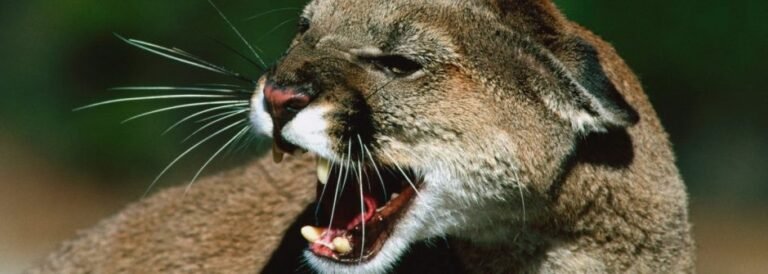
 N Colombia, it seems, there were always monkeys, or if not always, at least as far as the memory of man goes. An old historian named Oviedo noted that and wrote: “When the Christians make an expedition to the interior and have to pass by woods, they ought to cover themselves well with their bucklers . . . for the monkeys throw down nuts and branches at them. . . . I knew one, a servant. This man threw a stone at a monkey, who caught it and returned it with such force that it knocked out four or five of Francisco’s teeth, and I know this to be true for I often saw the said Francisco, always without his teeth.”
Now one day a man told me the tale of the monkeys, and he talked and talked as he smoked, until the stars came out and shone clear and steady and the air was heavy with perfume, and owls and bats floated strangely, as they will do, and when he had finished he still talked, taking up forgotten ends of his tale and winding in and about, making a long affair of a short matter. But then he had nothing else to do but to talk and was mighty pleased, it seemed, to have someone to listen to him. Then, when we should have been sleeping, he went on talking, picking out a piece of the tale here and another piece there, and explaining until I was well nigh like to get the story tangled myself. But here is the meat of it:
Long, long ago there were no monkeys, and the trees were so full of fruit, and the vines of grapes, that the people became lazy, and at last did little but eat and sleep, being too idle to carry away the rinds and skins of the fruit that they lived on, and certainly too lazy to clean their thatched houses.
It was very pleasant at first, but soon not so pleasant, for winged things that bit and stung came in thousands to feed on the things thrown aside, and they, too, grew lazy, finding so much to eat ready at hand, and when people tried to brush them away there was a loud and angry buzz and much irritated stinging, so that soon every one was wonder-struck, not knowing exactly what to do. For a time it seemed easier to move the little village to a new spot and to build new houses, for the dwellings were light affairs and in a day or less a good house could be built. But then they lived by a lake from which the water for drinking was taken, and as it was but a little body of water, it was not long before the people had built right round the still pool and so were back again at the starting place. As for the stinging flies, they were soon worse than the mosquitoes, while a great wasp with pink head and legs and bands of black and gold on its body, though very pretty to see, was worst of all. So it was no easy matter to know what to do, and there was much talk and much argument, and all that the people agreed on was that something had to be done, and that, very soon.
One day there came to the village a queer and rather faded kind of man, ragged and tattered and torn as though he had scrambled for miles through the thorn-bush forest. He had rough yellow hair, and queer wrinkles at the corners of his eyes which made him look as if he were smiling. It was late in the afternoon when he came and the people were taking their rest after the noon meal, so no one took much notice of him although he went here and there, looking at things, and so walked round the lake. But the curiosity of everyone was excited when he was seen to make a basket, which he did quickly, and then commence to gather up the fruit skins and rinds in one place. Now and then some one or other raised himself in his hammock, with a mind to talk to him, but it seemed almost too much trouble, and when some great blue-winged butterfly fluttered past or some golden-throated humming-bird flashed in the sunlight, their eyes wandered away from the old man and they forgot him again. So the sunlight died and the forest was a velvet blackness and everyone slept, though the old man still worked on, and the next morning when the people awoke he was still working diligently, though he had but a small place cleared after all.
The very thought that any one would work all night made the head man shiver with a kind of excitement, yet he was very curious to know why the stranger went to so much trouble, seeing that he neither lived there nor was of the lake men. At the same time it made his spirit droop to think that if the place was to be cleared up, he and everyone else had a mountain of work in sight. So Tera, the head man, called to Cuco, who was his servant, telling him to bring the stranger to him, and Cuco, who was very respectful, said that he would attend to it. Then Cuco did his part by calling Yana and delivering the message to him. And Yana in turn told his servant, Mata, who told his servant, Pera, who told his servant, Racas, who told a boy, so that at last the message reached the old man. Then back went the old man, handed by the boy to Racas, by Racas to Pera, by Pera to Mata, by Mata to Yana, and by Yana to Cuco, so that at last he stood before Tera, the head man, and the others, being curious to know what was afoot, gathered about.
“What is your name, from where do you come, and what do you want?” asked Tera, putting his three questions at once, to save trouble. Then the head man looked at those about him with a little frown, as much as to say, “Note how wisely I act,” and each man who had heard, seeing that the head man looked his way, nodded at his neighbour, as though calling attention to the wisdom of the head man, so all went very well. But the little old man stood there very simply, making no fuss at all and quite unimpressed with the greatness of the great man.
“I want to work,” he answered. “I want to be told what you want done and to see that it is done.”
To be sure, the language that he spoke was one new to those who listened, but somehow they seemed to understand. But the thing that he said they found truly astonishing and could hardly believe their ears. But the head man, though as astonished as any one there, quickly regained his composure and asked this question:
“What is your trade?”
“I have no trade,” said the old man. “But I get things done.”
“What kind of things?”
“All kinds of things.”
“Do you mean big things, like house-building and all that?” asked the head man.
“Yes. And little things too, which are really big things when you come to consider,” said the old man, but that seemed an odd if not a silly thing to say, the head man thought.
“Little things left undone soon become big things,” explained the old man, and waved his hand in the direction of a heap of fruit skins and husks near by.
“Yes. Yes. But you must not preach to us, you know,” said Tera a little testily. “Tell me the names of the trades you have.”
So the little old man began to tell, naming big things and very little things, things important and things not important at all, and having finished, asked very politely whether any one there had anything to be done. As for pay he said that he wanted none at all and would take none, and he said that because some of those gathered about him began offering him things.
For instance, Pera said: “If you work for me, I will let you have one fish out of every ten that you catch, for I am a fisherman.” And Racas pushed him aside, saying: “But I will do better, for I am supposed to be fruit gatherer and will give you two things for every ten you gather.” And so it went, each bidding higher than his neighbour, until it came to the turn of the man whose duty it was to gather the rinds and fruit skins. He said, “I will let you have, not one out of ten, nor two out of ten, nor five out of ten that you gather, but ten out of ten, if you will work for me.” At that the old man said quite positively that he would take no pay at all.
No more was said then and the little old man turned away without as much as bowing to the head man, seeing which the head man waved his hand and said: “You may go, and so that you will lose no time, you need not bow to me.” And all the rest gathered there said very hastily: “Nor need you bow to me, either.”
The old man took small notice of any one, but went away singing, for he had a gay, light-hearted disposition, and having reached the place he had cleared, he took flat pieces of wood and began cutting out figures like little men, and each figure had a kind of handle that looked like a long tail. Nor did he cease whittling until he had made at least twenty wooden figures for each man in the village. Being finished he stood up to stretch his legs and straighten his back, and when the people asked him what the little figures were for, he shrugged his shoulders but spoke never a word. Then he lifted the figures that he had made, one by one, and set them upright in the sand until there was a long row of them, and took his place in front of them, like a general before his army. It was beautiful to look at, for one figure was as like another as one pin is like another, and for a moment even the old man stood admiring the line. After a moment he waved his hand in a peculiar way, spoke some magic word, and waved his hand again, at which each of the figures came to life and nodded its head, seeing which all the people laughed and clapped their hands. The ragged man bade them make no noise, but watch.
“Since you do not like to work,” he said, “I have made twenty figures for each of you, and they will work for you without pay, doing what you require them to do; only observe this, you must not give any figure more than one particular job. And now let each man or woman clap his hands three times, then call out the name of the thing to be done.”
When he had said this, the figures started running, twenty gathering in a circle about each man there, bowing from the hips and straightening themselves again, so that their tails of wood went up and down like pump-handles.
“Now see,” said the ragged man, “you have things to work for you, and as I call out, the figures will stand forth, each ready to do his task.” And he began calling, thus:
“Armadillo hunters, stand forth!” and a hundred and more active figures ran together like soldiers.
So he named others in order as:
Bread makers.
Cassava gatherers.
Despolvadores, who would gather up dust.
Esquiladors, who would shear the goats.
Farsante men, whose work was to amuse tired men.
Guardas, to keep order about the place.
Horneros, or bakers.
Industriosos, who were to do odd jobs everywhere.
Jumentos, whose work it was to carry burdens.
Labradores, to do heavy work and clear away garbage.
Moledores, to grind the corn.
Narradores, who told stories, related gossip and so on.
Olleros, or pot makers.
Pocilga figures, to attend to the pigs.
Queseros, to make cheese from goat’s milk.
Rumbosos, or proud-looking things to walk in parades.
Servidores, or food carriers.
Trotadores, to run errands.
Vaqueros, to attend to the cows.
So everyone was well pleased and each one had his twenty figures to do all that needed to be done, and all that day there was a great scraping and cleaning and carrying and currying and hurrying and scurrying. Silently the little figures worked, never stopping, never tiring, never getting in one another’s way, and all that the living people had to do was to rest and watch the men of wood, and keep their brains free for higher things. For it must be remembered that before the old man came there with his wonderful gift, the people had complained that there was so much to be done that they had no time to write poems or to make songs or to create music, and that with the daily tasks abolished their brains would be more active.
Not two days had passed before the children of the place complained that they did not have a chance and that they had so much to do, what with hunting for things lost, looking after their small brothers and sisters, keeping things in order, trying to remember things they were told, cleaning things, and a dozen other tasks, that they really had no time to play, much less to study. So they went in a body to the old man and asked him to give each child twenty figures to do odd things. There was a great deal of fire and expression in his eyes when he made answer that if the children really needed help he would lose no time in providing it. But the young people were quite positive that they were overworked, and the long and short of it was that the old man whittled out many, many more figures, and in another twenty-four hours each and every boy and girl had his own:
Abaniquero, or fan maker, so that none had to pluck a palm leaf.
Baliquero figure, to carry letters and messages.
Cabrero, to look after the goats.
Desalumbrado, to hunt for things in the dark.
Enseñador, or private teacher, who was never to scold.
Florista, to save them the trouble of gathering flowers.
Guasón figure, to amuse them.
Hojaldarista, whose work it was to make cakes.
Juego figure, to arrange games.
Keeper of things.
Lector, to read and tell stories.
Mimo, to act as clown.
Niñera, to look after younger children.
Obediencia figure, to make others obey.
Postor, to buy things for them.
Quitar figures, to take things away when children tired.
Recordación figures, or rememberers.
Solfeadors, to sing to them.
Tortada men, to make pies.
Volantes, as servants.
So things seemed to be going very well, and before a month had passed in all that place there was not a thing out of order, soiled, broken, bent, lost, misplaced, undone, unclean, or disorderly. Neither man nor woman nor child had to worry; dinners were always prepared, fruits gathered, beds made, houses in perfect order, and all was spick and span. All that the grown-up people had to do was to look on, and no one was proud of the order in his house because every other house in the place was as orderly. As for the children, they had nothing at all to do but to eat, drink, rest, and sleep. Then, presently, more figures were called for as this one or that wanted a larger house, a finer garden, or grander clothes.
But as the wooden figures became more numerous and as no figure could do more than one task, the ragged man had to make figures for the figures and servants for the servants, for as things went on, there had to be more fruit gatherers, more water carriers, more scavengers, more cooks, because the figures had to eat and drink. Thus it came to pass that before long, instead of their being twenty figures for each man, there were sixty or seventy, with new ones coming from the old man’s knife every day. Soon the lively manikins were everywhere, inside houses as well as outside, thick as flies in summer and certainly a great deal more persistent, for there could be no closing of doors against the manikins. Indeed, had anything like that been attempted there would have been a great cry for special door-openers. So, many houses were quite cluttered with wooden men, those who were on duty rushing about until it made the head swim to look at them, and those who were resting or sleeping, for soon they learned to rest and to sleep, lying about the floors, piled up in corners, or hanging to rafters by their tails. All that increase in help had made for the production of a thousand or more guardas, whose task it was to keep order, and they were everywhere, alert and watchful and officious, and the real people had to step about very gingerly sometimes, to avoid treading on them and annoying them.
At last there came a day when the people began to grow a little tired of doing nothing, and they told one another that a little help was a very good thing, but help in excess, too much of a good thing altogether. So there was a meeting and much talk and the manikin narradors, whose duty it was to carry gossip and the news, were very busy, rushing from here to there with their scraps of information.
“It is very clear that something must be done,” said Tera, the head man.
“But everything is being done,” answered the little old man. “If everything is done, something must be done.”
“I did not mean that,” said Tera, who seemed a little testy. “I meant to say that these wooden men must be kept in their places.”
“But they are in their places,” replied the old man. “Their place is everywhere because they do everything, so they are in their places.”
“You see, the days are so very long, so very dull,” said the man who wished to have time that he might become a poet. “At the shut of day we are not weary.”
“We do not want to be petted,” said another.
“The trouble is,” sighed a fat man, “you can’t be happy when everything is done for you.”
“And we don’t want to be nobodies,” shouted another.
Another said very mournfully: “It seems to me that when these wooden things do things with our things, then the things that they do and make and care for are not our things.”
“Too many ‘things’ in that speech,” said the fat man.
“Well, there are too many things,” answered the other. “Look at me. I used to be gardener and now I’m nothing. When my garden is dug and planted and tended and watered and the very flowers plucked by these wooden things, and when other wooden things pick up the leaves and pull the weeds and do everything, then my garden does not seem to be mine.” He added after awhile: “I hope you know what I mean, because it is not very clear to me, yet it is so. I remember——”
At that the little old man put up his hand and said: “But that is against the contract. You must not try to remember, really you must not, because there are manikins to do all the remembering, if you please.”
“Well, but I think——” began the man, when he was again interrupted.
“Please do not think,” said the little old man. “We have things to do the thinking, if you please.” He thought for a moment, his bent forefinger on his lips, then he said: “I’ll see what can be done. It is clear that you are not satisfied, although you have everything that you asked for and certainly all the time that you want.”
“Let us do something,” murmured Tera.
“I’m afraid there is nothing that you can do,” said the little old man, “because, as you see, everything is done, and when everything is done it is quite clear that something cannot be left to be done. The only thing that is clear is that there is nothing to be done.”
At that the meeting broke up and each went to his own hammock to think things over, and soon the general cry was: “We must have elbow room.” And hearing that, the little old man went to work and whittled more figures of wood, a whole army of them, ten for each living man, woman, and child, and in voices that creaked like wooden machinery they marched hither and thither, crying: “Elbow room. Elbow room!”
Soon there was confusion. It was manikin against manikin for a time, the Elbow-room-ers thrusting and pushing the other working manikins, some going about their work with frantic haste, others interfering with them, clutching at them and at the things they carried, a tangled knot of them sometimes staggering, to go down with a crash. Soon in every house was a jangling tumult, manikins and men running about in houses and dashing out into the open spaces outside; the noise of slamming doors and breaking pots; the clamour of animals. Above all could be heard everywhere cries of “We want elbow room! We want elbow room!” Soon men were running away from the houses with those strange swift manikins hanging to them sometimes beating them, while other manikins threw things out of the doors and through windows, food and household things. And excited children fled too, while their manikins ran at their sides, some chattering, some acting the clown as was their duty, some telling stories as they ran, while other strange little figures of wood ran bearing heavy burdens. It was all a dreadful mix-up with no one knowing what to do, no one knowing where to go, and everywhere the manikins who were guardas, or order keepers, ran about, tripping people and manikins alike in the effort to stop the rush. But when the day was near its end there were no people in the houses and the hammocks swung idly, for all the men and women and children, even the white-haired grandfathers and grandmothers, had fled to the further side of the lake, where they could have elbow room, leaving the houses and all that was in them to the manikins.
The next day, the people plucked their fruit for themselves and it seemed as though fruit was never sweeter. The water that they carried from the lake tasted better and cooler than water had for many a long day, and when night came they were happily tired and slept well, without any manikin to swing their hammocks and sing to them. And in the morning they woke early to discover the pink and gold of the sunrise most wonderful to see, and there was music in the sound of the wind among the grasses. So as the day passed they were both amazed and astonished at the wonderful and beautiful things that they had almost forgotten, the sight of butterflies fluttering from flower to flower, the shadows chasing across the hills, the richness of the green earth and the blueness of the sky, the gold of sunlight on the leaves, the rippling water and the bending trees; indeed the memory of the manikin days was like a fearful nightmare. Very light-hearted then they grew and the world was full of the music of their laughter and song, and briskly they worked, enjoying it all, building new houses and making things to put in them.
Meanwhile in the village things had gone queerly. For one thing the Elbow-room-ers kept up their crowding and pushing, so that the manikins trying to work at their old tasks (and there were many who went on just as before) were sadly hindered. There were other figures of wood with nothing to do, since the people they served were gone, and these fell to quarrelling among themselves and grew mischievous. For instance, the pot makers and the pot cleaners fell out, and the pot cleaners started to break the pots so that the pot makers would have more work to do. That meant that the clay gatherers and the clay diggers had to work harder, then because they worked harder, though to be sure all their work meant nothing and was little more than idle bustle, they grew hungrier and wanted more to eat. Because of all that the fruit gatherers had more to do and the water carriers had to work harder and the cassava bread makers had to bake as they had never baked before. That brought the fire builders into it, and of course the wood gatherers also, for they too had to work harder and to eat more, so still more work came on the food bringers. And all the time the Elbow-room-ers rushed about, always in groups of ten, driving and commanding, rushing on workers and sweeping them aside. So everywhere were little figures hurrying one after the other, going to and fro, busy about nothing, quarrelling about nothing, fighting about nothing.
The trouble came when the Elbow-room-ers interfered with the dogs and the cats, the goats and the hens, pushing and hustling them. For the animals, disliking all the disorder and clatter, fell upon the manikins, workers and idlers alike. Seeing that, the household utensils took a hand and the very pots and kettles ran or rolled or fell, spilling hot water over the wooden things with pump-handle tails. The very embers from the fires leaped into the fray. All the while from the metates in which the corn had been ground came a low growling, and the growling formed itself into words:
Day by day you tortured us—
Grind, grind, grind.
Holi! Holi!
Huqui! Huqui!
Grind, grind, grind.
Bring to us the torturers—
Grind, grind, grind.
Let them feel our power now—
Grind. Grind. GRIND!
So the metates turned and turned, going round and round without hands, and presently an Elbow-room-er that was struggling with a corn-grinder stumbled, and both fell between the grinding stones and in a moment were crushed to powder. In a flash house utensils and animals learned the new trick, and in every house manikins were pushed into the grinding stones. Then sparks began to fly and roofs to catch on fire and manikins bolted here and there in confusion, sometimes jamming in doorways, there were so many and all in such disorder. Then came dazzling, flickering lightning and a great rain, so that for very safety the manikins fled to the forest and climbed the trees. And there they have lived ever since, for they grew hair and became monkeys. But the remembrance of all that passed stayed with them, and in their hearts to this very day is no love for man, and for that very reason when a Christian passes through a forest he must look well to himself, lest the manikins in revenge try to hurt him by casting nuts and branches at his head.
📄 Fuente: Tales from silver lands


En Colombia, al parecer, siempre hubo monos, o si no siempre, al menos hasta donde llega la memoria del hombre. Un viejo historiador llamado Oviedo lo notó y escribió:
“Cuando los cristianos hacen una expedición al interior y tienen que pasar por bosques, deben cubrirse bien con sus rodelas… porque los monos les arrojan nueces y ramas… Conocí a uno, un sirviente. Este hombre arrojó una piedra a un mono, el cual la cogió y se la devolvió con tal fuerza que le arrancó cuatro o cinco dientes a Francisco, y sé que esto es cierto porque muchas veces vi al dicho Francisco, siempre sin dientes.”
Un día, un hombre me contó la historia de los monos, y habló y habló mientras fumaba, hasta que las estrellas salieron y brillaron claras y constantes, y el aire estaba cargado de perfume. Los búhos y los murciélagos flotaban extrañamente, como suelen hacerlo, y cuando hubo terminado, siguió hablando, retomando extremos olvidados de su cuento, dando vueltas y vueltas, convirtiendo un asunto breve en un asunto largo. Pero entonces no tenía nada más que hacer que hablar y parecía muy contento de tener a alguien que lo escuchara. Luego, cuando deberíamos haber estado durmiendo, siguió hablando, seleccionando un fragmento del cuento aquí y otro allá, y explicándome hasta que yo estuve a punto de enredar la historia yo mismo. Pero aquí está el quid de la cuestión:
Hace mucho, mucho tiempo no había monos, y los árboles estaban tan llenos de frutas y las vides de uvas, que la gente se volvió perezosa y al final hacía poco más que comer y dormir, siendo demasiado ociosa para llevarse las cáscaras y las pieles de la fruta de la que vivían, y ciertamente demasiado perezosa para limpiar sus casas con techo de paja.
Al principio fue muy agradable, pero pronto no tanto, porque miles de seres alados que mordían y picaban llegaban para alimentarse de las cosas desechadas, y ellos también se volvieron perezosos al encontrar tanto para comer a mano. Cuando la gente intentó quitárselos, se oyó un zumbido fuerte y enojado y un escozor muy irritante, de modo que pronto todos quedaron estupefactos, sin saber exactamente qué hacer. Durante un tiempo pareció más fácil trasladar la pequeña aldea a un nuevo lugar y construir nuevas casas, porque las viviendas eran livianas y en un día o menos se podía construir una buena casa. Pero entonces vivían junto a un lago del que sacaban el agua para beber, y como no era más que una pequeña masa de agua, no pasó mucho tiempo antes de que la gente construyera alrededor del estanque tranquilo y así regresaran al lugar de partida. En cuanto a las moscas que picaban, pronto fueron peores que los mosquitos, mientras que una gran avispa con la cabeza y las patas rosadas y bandas negras y doradas en el cuerpo, aunque muy bonita de ver, era la peor de todas. Así que no era fácil saber qué hacer, y se habló mucho y se discutió mucho, y todo lo que la gente estuvo de acuerdo fue que había que hacer algo, y eso, muy pronto.
Un día llegó al pueblo un hombre extraño, bastante descolorido, harapiento, andrajoso y desgarrado, como si hubiera caminado kilómetros a través del bosque de espinos. Tenía el pelo rubio y áspero y unas extrañas arrugas en las comisuras de los ojos que le hacían parecer como si estuviera sonriendo. Ya era tarde cuando llegó y la gente estaba descansando después de la comida del mediodía, por lo que nadie le prestó mucha atención, aunque iba de aquí para allá, mirando cosas y caminando alrededor del lago. Pero la curiosidad de todos se excitó cuando lo vieron hacer una canasta, lo cual hizo rápidamente, y luego comenzó a juntar las pieles y cáscaras de fruta en un solo lugar. De vez en cuando alguien se levantaba en su hamaca con la intención de hablar con él, pero parecía casi demasiado problema, y cuando alguna gran mariposa de alas azules pasaba revoloteando o algún colibrí de garganta dorada aparecía a la luz del sol, sus ojos se alejaban del anciano y lo olvidaban nuevamente. Así que la luz del sol murió y el bosque se convirtió en una negrura aterciopelada y todos durmieron, aunque el anciano todavía trabajaba, y a la mañana siguiente, cuando la gente se despertó, él seguía trabajando diligentemente, aunque después de todo solo tenía un pequeño lugar despejado.
La sola idea de que alguien trabajaría toda la noche hizo que el jefe se estremeciera con una especie de excitación, pero tenía mucha curiosidad por saber por qué el extraño se tomaba tantas molestias, ya que ni vivía allí ni era de los hombres del lago. Al mismo tiempo, le decaía el ánimo al pensar que si había que limpiar el lugar, él y todos los demás tendrían una montaña de trabajo a la vista. Entonces Tera, el jefe, llamó a Cuco, que era su criado, diciéndole que le trajera al extraño, y Cuco, que fue muy respetuoso, dijo que lo atendería. Entonces Cuco hizo su parte llamando a Yana y entregándole el mensaje. Y Yana a su vez se lo contó a su criado Mata, quien se lo contó a su criado Pera, quien se lo contó a su criado Racas, quien se lo contó a un niño, para que al fin el mensaje llegara al anciano. Luego volvió el viejo, entregado por el niño a Racas, por Racas a Pera, por Pera a Mata, por Mata a Yana, y por Yana a Cuco, de modo que al fin se presentó ante Tera, el jefe, y los otros, sintiendo curiosidad por saber lo que estaba pasando, se reunieron alrededor.
—¿Cómo te llamas, de dónde vienes y qué quieres? —preguntó Tera, planteando sus tres preguntas a la vez para evitar problemas. Entonces el jefe miró a los que lo rodeaban con un ligero ceño fruncido, como si dijera: “Observen cuán sabiamente actúo”, y cada hombre que había oído, al ver que el jefe miraba en su dirección, asintió con la cabeza a su vecino, como llamando la atención sobre la sabiduría del jefe. Todo salió muy bien. Pero el viejecito permaneció allí muy sencillo, sin hacer ningún escándalo y sin impresionarse ante la grandeza del gran hombre.
—Quiero trabajar —respondió—. Quiero que me digan lo que quieren que se haga y que se haga.
Sin duda, el idioma que hablaba era nuevo para quienes lo escuchaban, pero de alguna manera parecían entenderlo. Lo que dijo les pareció realmente sorprendente y apenas podían creer lo que oían. Pero el jefe, aunque tan asombrado como todos los presentes, rápidamente recuperó la compostura y formuló esta pregunta:
—¿Cuál es tu oficio?
—No tengo ningún oficio —dijo el anciano—. Pero hago las cosas.
—¿Qué tipo de cosas?
—Toda clase de cosas.
—¿Te refieres a cosas grandes, como construir casas y todo eso? —preguntó el jefe.
—Sí. Y también las pequeñas cosas, que, si las consideras, son realmente grandes —dijo el anciano—. Pero eso parecía algo extraño, si no una tontería, pensó el jefe.
—Las pequeñas cosas que se dejan sin hacer pronto se convierten en cosas grandes —explicó el anciano, y agitó la mano en dirección a un montón de pieles y cáscaras de fruta que había cerca.
—Sí, sí, pero no debes sermonearnos, ¿sabes? —dijo Tera un poco irritada—. Dime los nombres de los oficios que tienes.
Entonces el viejecito empezó a contar, nombrando cosas grandes y muy pequeñas, cosas importantes y cosas sin importancia, y habiendo terminado, preguntó muy cortésmente si alguno de los presentes tenía algo que hacer. En cuanto a la paga, dijo que no quería nada y no quería aceptar nada, y lo dijo porque algunos de los que estaban alrededor comenzaron a ofrecerle cosas.
Por ejemplo, Pera dijo: —Si trabajas para mí, te dejaré un pez de cada diez que pesques, porque soy pescador.
Y Racas lo empujó a un lado, diciendo: —Pero lo haré mejor, que se supone que soy recolector de frutos y te daré dos cosas por cada diez que recojas.
Y así fue, cada uno pujando más que su vecino, hasta que llegó el turno del hombre cuyo deber era recoger las cáscaras y pieles de la fruta. Él dijo: —No os daré uno de diez, ni dos de diez, ni cinco de diez que junten, sino diez de diez, si trabajáis para mí.
Ante eso, el anciano dijo con toda seguridad que no recibiría ningún pago.
No se dijo más entonces y el viejecito se dio la vuelta sin siquiera inclinarse ante el jefe, al ver lo cual el jefe hizo un gesto con la mano y dijo: —Puedes irte, y para no perder tiempo, no necesitas inclinarte ante mí.
Y todos los demás allí reunidos dijeron muy apresuradamente: —Tampoco necesitas inclinarte ante mí.
El anciano no se fijaba en nadie, pero se fue cantando, porque tenía un carácter alegre y desenfadado, y cuando llegó al lugar que había despejado, tomó trozos planos de madera y empezó a tallar figuras como de hombrecitos. Cada figura tenía una especie de mango que parecía una larga cola. Tampoco dejó de tallar hasta haber hecho al menos veinte figuras de madera para cada hombre del pueblo. Al terminar se levantó para estirar las piernas y enderezar la espalda, y cuando la gente le preguntó para qué servían las figuritas, se encogió de hombros pero no dijo palabra. Luego levantó las figuras que había hecho, una por una, y las puso erguidas en la arena hasta formar una larga fila de ellas, y se colocó frente a ellas, como un general ante su ejército. Era hermoso verlo, porque una figura era tan parecida a otra como un alfiler a otro, y por un momento incluso el anciano se quedó admirando la línea. Después de un momento agitó su mano de una manera peculiar, pronunció alguna palabra mágica y volvió a agitar su mano, ante lo cual cada una de las figuras cobró vida y asintió con la cabeza. Viendo eso, toda la gente se rió y aplaudió. El hombre andrajoso les ordenó que no hicieran ruido y que observaran.
—Como no os gusta trabajar —dijo—, he ganado veinte figuras para cada uno de vosotros, y ellas trabajarán para vosotros sin paga, haciendo lo que vosotros les pidáis. Solo observad esto, no debéis dar ninguna figura más que a un trabajo en particular. Y ahora que cada uno, hombre o mujer, dé tres palmadas y luego diga en voz alta el nombre de lo que debe hacerse.
Cuando hubo dicho esto, las figuras echaron a correr, veinte reuniéndose en círculo alrededor de cada hombre, inclinándose desde las caderas y enderezándose de nuevo, de modo que sus colas de madera subían y bajaban como mangos de bombas.
—Ahora mira —dijo el hombre andrajoso—, tienes cosas que trabajan para ti, y cuando yo llame, las figuras se destacarán, cada una lista para hacer su tarea. Y empezó a llamar, así:
“¡Cazadores de armadillos, adelante!” Y cien o más figuras activas corrían juntas como soldados.
Luego nombró a otros en orden, como:
Fabricantes de pan.
Recolectores de yuca.
Despolvadores, que recogerían polvo.
Esquiladores, que esquilaban las cabras.
Hombres farsantes, cuyo trabajo era divertir a los hombres cansados.
Guardas, para mantener el orden en el lugar.
Horneros o panaderos.
Industriosos, que debían hacer trabajos ocasionales en todas partes.
Jumentos, cuyo trabajo era llevar cargas.
Labradores, para realizar trabajos pesados y retirar basura.
Moledores, para moler el maíz.
Narradores, que contaban historias, chismes, etc.
Olleros o alfareros.
Figuras de pocilga, para atender a los cerdos.
Queseros, para hacer queso con leche de cabra.
Rumbosos, o figuras de aspecto orgulloso para caminar en los desfiles.
Servidores o transportadores de alimentos.
Trotadores, para hacer recados.
Vaqueros, para atender a las vacas.
Así que todos estaban muy contentos, y cada uno tenía sus veinte figuras para hacer todo lo que había que hacer. Durante todo ese día hubo un gran raspado, limpieza, transporte, afán y trabajo. Las pequeñas figuras trabajaban en silencio, sin detenerse, sin cansarse ni estorbarse unas a otras, y todo lo que los vivos tenían que hacer era descansar y observar a los hombres de madera, manteniendo sus cerebros libres para cosas más elevadas. Porque hay que recordar que, antes de que el anciano llegara con su maravilloso regalo, la gente se había quejado de que había tanto por hacer que no tenían tiempo para escribir poemas, componer canciones o crear música, y que si se abolieran las tareas diarias, sus cerebros estarían más activos.
No habían pasado dos días cuando los niños del lugar se quejaron de que no tenían oportunidad para nada, que tenían demasiado que hacer, ya sea buscar cosas perdidas, cuidar a sus hermanos pequeños, mantener el orden, tratar de recordar cosas que les habían dicho, limpiar, y una docena de tareas más. Por eso fueron todos juntos al anciano y le pidieron que les diera a cada niño veinte figuras para hacer cosas diversas. Había mucho fervor y expresión en sus ojos cuando él respondió que, si los niños realmente necesitaban ayuda, no perdería tiempo en proporcionársela. Pero los jóvenes estaban bastante seguros de que estaban sobrecargados de trabajo, y al final el anciano talló muchas, muchas más figuras, y en otras veinticuatro horas todos y cada uno de los niños y niñas tenían la suya propia:
Abaniquero, o fabricante de abanicos, para que nadie tuviera que arrancar una hoja de palma.
Figura baliquero, para portar cartas y mensajes.
Cabrero, para cuidar las cabras.
Desalumbrado, para buscar cosas en la oscuridad.
Enseñador, o profesor particular, que nunca debía regañar.
Florista, para ahorrarles la molestia de recoger flores.
Figura de guasón, para divertirlos.
Hojaldrarista, cuyo trabajo era hacer pasteles.
Figura de juego, para organizar juegos.
Guardián de las cosas.
Lector, para leer y contar historias.
Mimo, para hacer de payaso.
Niñera, para cuidar a los niños más pequeños.
Figura de obediencia, para hacer obedecer a los demás.
Postor, para comprarles cosas.
Quitador de figuras, para quitar cosas cuando los niños se cansaban.
Figuras de recordación, o recordadores.
Solfeadores, para cantarles.
Hombres de tortilla, para hacer pasteles.
Volantes, como sirvientes.
Así que las cosas parecían ir muy bien, y antes de que pasara un mes, en todo aquel lugar no había nada desordenado, sucio, roto, doblado, perdido, fuera de lugar, deshecho, impuro ni desorganizado. Ni el hombre, ni la mujer, ni el niño tenían que preocuparse. Siempre se preparaban las cenas, se recogían frutas, se hacían las camas, las casas estaban en perfecto orden y todo estaba impecable. Todo lo que los mayores tenían que hacer era mirar, y nadie se sentía orgulloso del orden en su casa porque todas las demás casas del lugar estaban igual de ordenadas. En cuanto a los niños, no tenían nada que hacer más que comer, beber, descansar y dormir.
Luego, en ese momento, se solicitaron más figuras, ya que algunos deseaban una casa más grande, un jardín más hermoso o ropa más suntuosa.
Pero a medida que las figuras de madera se hicieron más numerosas, y como ninguna figura podía hacer más que una tarea, el hombre andrajoso tuvo que hacer figuras para las figuras y sirvientes para los sirvientes, porque, a medida que las cosas avanzaban, tenía que haber más recolectores de frutas, más aguadores, más carroñeros, más cocineros, ya que las figuras también tenían que comer y beber. Así, al poco tiempo, en lugar de veinte figuras para cada persona, eran sesenta o setenta, y cada día salían nuevas figuras del cuchillo del viejo. Pronto los animados maniquíes estuvieron por todas partes, tanto dentro como fuera de las casas, tan numerosos como moscas en verano y ciertamente mucho más persistentes, porque las puertas no podían cerrarse contra los maniquíes. De hecho, si se hubiera intentado algo así, habría habido un gran clamor por abridores de puertas especiales.
Así, muchas casas estaban bastante abarrotadas de hombres de madera, algunos de servicio corriendo de un lado a otro hasta que la cabeza daba vueltas para seguirlos, y otros descansando o durmiendo, porque pronto aprendían a descansar y a dormir, tumbados sobre los suelos, amontonados en los rincones o colgados de las vigas por la cola. Todo ese aumento en la ayuda había contribuido a la producción de mil o más guardas, cuya tarea era mantener el orden. Estaban en todas partes, alertas, vigilantes y oficiosos, y la gente real tenía que caminar a veces con mucho cuidado para no pisarlos ni molestarlos.
Al fin llegó un día en que la gente empezó a cansarse un poco de no hacer nada, y se decían unos a otros que un poco de ayuda era algo muy bueno, pero un exceso de ayuda era demasiado. Entonces hubo una reunión y mucha charla; los narradores maniquíes, cuyo deber era llevar chismes y noticias, estaban muy ocupados corriendo de aquí para allá con sus fragmentos de información.
“Está muy claro que hay que hacer algo”, dijo Tera, el jefe.
“Pero ya se está haciendo todo”, respondió el viejecito. “Si se hace todo, hay que hacer algo.”
“No quise decir eso”, dijo Tera, que parecía un poco irritable. “Quise decir que estos hombres de madera deben mantenerse en sus lugares.”
“Pero están en sus lugares”, respondió el anciano. “Su lugar está en todas partes porque hacen de todo; por eso están en sus lugares.”
“Mira, los días son muy largos, muy aburridos”, dijo el hombre que deseaba tener tiempo para convertirse en poeta. “Al final del día no estamos cansados.”
“No queremos que nos acaricien”, dijo otro.
“El problema es”, suspiró un hombre gordo, “que no puedes ser feliz cuando todo está hecho por ti.”
“Y no queremos ser nadie”, gritó otro.
Uno más dijo muy tristemente: “Me parece que cuando estas cosas de madera hacen cosas con nuestras cosas, entonces las cosas que hacen, cuidan y mantienen no son nuestras.”
“Demasiadas ‘cosas’ en ese discurso”, dijo el gordo.
“Bueno, son demasiadas cosas”, respondió el otro. “Mírame. Yo era jardinero y ahora no soy nada. Cuando mi jardín es cavado, plantado, cuidado y regado, y las mismas flores son arrancadas por estas cosas de madera, y cuando otras cosas de madera recogen las hojas, arrancan las malas hierbas y hacen todo, entonces mi jardín no parece ser mío.” Al cabo de un rato añadió: “Espero que sepas a qué me refiero, porque no lo tengo muy claro, pero así es. Recuerdo—”
Ante eso, el viejecito levantó la mano y dijo: “Pero eso va en contra del contrato. No debes intentar recordar, realmente no debes hacerlo, porque hay maniquíes que se encargan de recordar todo, por favor.”
“Bueno, pero creo…” comenzó el hombre, cuando fue nuevamente interrumpido.
“Por favor, no pienses”, dijo el viejecito. “Tenemos cosas en las que pensar, por favor.” Pensó un momento, con el dedo índice doblado sobre los labios, y luego dijo: “Veré qué se puede hacer. Está claro que no estás satisfecho, aunque tienes todo lo que pediste y seguramente todo el tiempo que deseas.”
“Hagamos algo”, murmuró Tera.
“Me temo que no hay nada que puedas hacer”, dijo el viejecito, “porque, como ves, todo está hecho, y cuando todo está hecho, queda muy claro que no se puede dejar algo por hacer. Lo único que está claro es que no hay nada que hacer.”
En ese momento se disolvió la reunión y cada uno se fue a su hamaca a pensar en las cosas, y pronto el grito general fue: “Necesitamos tener espacio para movernos.” Y al oír eso, el viejecito se puso a trabajar y talló más figuras de madera, todo un ejército de ellas, diez por cada hombre, mujer y niño vivo, y con voces que crujían como maquinaria de madera marchaban de aquí para allá, gritando: “¡Cuarto de la esquina! ¡Cuarto de la esquina!”
Pronto hubo confusión. Durante un tiempo fue maniquí contra maniquí; los trabajadores del codo empujaban y empujaban a los otros maniquíes que trabajaban. Algunos hacían su trabajo con prisa frenética, otros interferían con ellos, se aferraban a ellos y a las cosas que llevaban, formando un enredo, un nudo que a veces tambaleaba hasta caer con estrépito. Pronto, en todas las casas se produjo un ruido estridente: maniquíes y personas corrían por las habitaciones y salían disparados a los espacios abiertos; se escuchaban portazos, cacerolas rotas y el clamor de los animales. Por todas partes resonaban los gritos de “¡Queremos espacio para movernos! ¡Queremos espacio para movernos!”
Pronto los hombres huían de las casas con esos extraños y veloces maniquíes colgados de ellos, a veces golpeándolos, mientras otros maniquíes arrojaban cosas por las puertas y ventanas: comida y enseres domésticos. Los niños, emocionados, también huían mientras sus maniquíes corrían a su lado; algunos charlaban, otros hacían el payaso como era su deber, algunos contaban historias mientras corrían, y otras extrañas figuritas de madera corrían cargando pesadas cargas. Todo era una confusión espantosa, sin que nadie supiera qué hacer ni adónde ir. Por todas partes, los maniquíes guardas corrían de un lado a otro, haciendo tropezar a gente y maniquíes por igual, intentando detener la avalancha.
Pero cuando el día estaba por terminar, no había gente en las casas y las hamacas se balanceaban ociosamente, porque todos los hombres, mujeres y niños, incluso los abuelos y abuelas de pelo blanco, habían huido al otro lado del lago, donde podían tener espacio para moverse, dejando las casas y todo lo que había en ellas a los maniquíes.
Al día siguiente, la gente recogió la fruta, que parecía nunca haber sido más dulce. El agua que sacaron del lago sabía mejor y más fresca que en muchos días, y cuando llegó la noche estaban felizmente cansados y durmieron bien, sin ningún maniquí que balanceara sus hamacas o les cantara. Por la mañana se despertaron temprano para descubrir el rosa y el oro del amanecer, lo más maravilloso de ver, y había música en el sonido del viento entre la hierba. Así, a medida que pasaba el día, quedaron asombrados y maravillados por las cosas hermosas que casi habían olvidado: la visión de mariposas revoloteando de flor en flor, las sombras que perseguían las colinas, la riqueza de la tierra verde, el azul del cielo, el oro de la luz del sol sobre las hojas, el agua ondulante y los árboles curvados. De hecho, el recuerdo de los días del maniquí era como una terrible pesadilla. Entonces crecieron muy alegres y el mundo se llenó con la música de sus risas y cantos. Trabajaron rápidamente, disfrutando de todo, construyendo nuevas casas y haciendo cosas para poner en ellas.
Mientras tanto, en el pueblo las cosas se habían vuelto extrañas. Por un lado, los que estaban en Elbow-room siguieron apretujándose y empujando, de modo que los maniquíes que intentaban realizar sus antiguas tareas (y hubo muchos que continuaron igual que antes) se vieron tristemente obstaculizados. Había otras figuras de madera que no tenían nada que hacer, porque la gente a la que servían se había ido, y estas comenzaron a pelear entre sí y a portarse traviesas. Por ejemplo, los alfareros y los limpiadores de ollas se pelearon, y los limpiadores comenzaron a romper las ollas para que los fabricantes tuvieran más trabajo. Eso significaba que los recolectores y excavadores de arcilla tenían que trabajar más duro, y aunque todo su trabajo no significaba nada y era poco más que un vano ajetreo, tenían más hambre y querían más para comer.
Por todo eso, los recolectores de frutas tenían más que hacer, los aguadores tuvieron que trabajar más duro y los fabricantes de pan de yuca tuvieron que hornear como nunca antes. Esto atrajo a los que hacían el fuego y, por supuesto, también a los recolectores de leña, porque ellos también tenían que trabajar más y comer más, por lo que aún más trabajo recayó sobre los que llevaban la comida. Y todo el tiempo los trabajadores del codo corrían de un lado a otro, siempre en grupos de diez, dando órdenes, empujando y arremetiendo contra los trabajadores, barriendo todo a un lado. Así, por todas partes había pequeñas figuras que corrían una tras otra, de un lado a otro, ocupadas en nada, peleando por nada.
El problema surgió cuando los habitantes de Elbow-room interfirieron con los perros y gatos, las cabras y las gallinas, empujándolos y apremiándolos. Disgustados por el desorden y el estrépito, los animales cayeron sobre los maniquíes, tanto trabajadores como holgazanes. Al ver esto, los utensilios del hogar tomaron acción: las ollas y teteras corrieron, rodaron o cayeron, derramando agua caliente sobre las cosas de madera con colas de mango. Las brasas de los fuegos saltaron a la refriega. Mientras tanto, de los metates en los que se había molido el maíz salió un gruñido sordo que se transformó en palabras:
Día tras día nos torturaste.
Moler, moler, moler.
¡Hola! ¡Hola!
¡Huqui! ¡Huqui!
Moler, moler, moler.
Tráenos a los torturadores.
Moler, moler, moler.
Déjales sentir nuestro poder ahora.
Moler. Moler. ¡MOLER!
Así, los metates giraban y giraban, dando vueltas sin manos, y en un momento un codero que luchaba con un molinillo de maíz tropezó, y ambos cayeron entre las piedras de moler y quedaron reducidos a polvo. En un instante, los utensilios de las casas y los animales aprendieron el nuevo truco, y en cada casa se clavaron maniquíes en las piedras de moler. Entonces comenzaron a saltar chispas y los tejados a incendiarse, mientras los maniquíes saltaban aquí y allá en confusión, a veces atascándose en las puertas, eran tantos y en tal desorden. Luego vinieron relámpagos deslumbrantes y parpadeantes y una gran lluvia, de modo que, para mayor seguridad, los maniquíes huyeron al bosque y treparon a los árboles. Allí han vivido desde entonces, porque les creció pelo y se convirtieron en monos. Pero el recuerdo de todo lo que pasó permaneció con ellos, y en sus corazones, hasta el día de hoy, no hay amor por el hombre. Por esa misma razón, cuando un cristiano pasa por un bosque debe cuidarse, no sea que los maniquíes, en venganza, intenten hacerle daño arrojándole nueces y ramas a la cabeza.
Cuento popular de origen Latinoamericano, recopilado por Charles Joseph Finger (1869-1941) en Tales from silver lands, 1924