 Sátiras
Ver transcripción original
The Old Woman and the Old Man.
One day, when they were fretting and consulting each other, they determined to look for children whatever might happen.
The old man went one way, the old woman another, to find a child somewhere.
The old man met a dog, the old woman a mouse. When they met again the old woman asked:
“Husband, what have you found?”
“A little dog. And you, wife?”
“A little mouse.”
They now agreed to adopt the mouse for a child and drive the dog away, so the couple returned with the mouse, greatly delighted because they had found what they sought, that is, a child.
On reaching home the old woman began to make a fire; then she set the pot of sour buttermilk on to boil, and left the mouse to watch that it did not fall over, while she went to work with the old man in the fields.
After she had gone, the porridge boiled and splashed over the top of the pot; the mouse, which was sitting on the hearth, said:
“Porridge, don’t jump on me or I’ll jump on you.” But the buttermilk did not stop and still splashed over the brim. When the mouse saw this, it grew angry and leaped straight into the pot.
When the old people returned from hoeing and called their child, there was no child to be found. After searching for it a long time without success, they sat sadly down to eat their dinner. Yet they ate the porridge with great relish until, when the old woman emptied the dish she found at the bottom—what? The little mouse, their child, dead! She began:
“Husband, husband, here it is, our child is drowned in the buttermilk.”
“How is that possible, wife!” replied the bearded old fellow.
When they saw this terrible accident, they began to weep and lament bitterly; the old man in his grief tore his beard, and the old woman pulled the hair out of her head.
The old man left the house with tearful eyes and touzled beard; on the bough of a tree, in front of the hut, perched a magpie, which seeing him asked:
“Why have you pulled out your beard, old man?”
“Oh, my dear bird, how can I help tearing my beard, when my little child has drowned itself in the pot of porridge and is dead?”
When the magpie heard this, it tore out all its feathers, leaving nothing but the tail.
The old woman set off with her bald head to the well, to get a jug of water to wash the dead body of her child.
By the well stood a girl with a pitcher, who had come to draw water; when she saw the old woman she asked:
“My, old woman, why have you torn the hair out of your head till you are perfectly bald?”
“Alas, my darling, how can I help tearing my hair and making myself bald, when my little mouse is dead?”
The girl, in her grief, smashed her pitcher in two, then she hurried to the empress to tell her the story; the royal lady, as soon as she heard it, fell down from the balcony, broke her ankle, and died, while the emperor, out of love for his wife, went away and became a monk in the monastery of Lies, beyond the Country of Truth; while I
📄 Fuente: Roumanian Fairy Tales
Había una vez un anciano y una anciana que no tenían hijos en su vejez, y era muy difícil para ellos, pues no contaban con ayuda, ni siquiera para encender el fuego. Al volver a casa después de trabajar en el campo, se veían obligados a empezar por encender el fuego y luego preparar la comida.
Un día, estando preocupados y hablando entre ellos, decidieron buscar hijos pasara lo que pasara.
El anciano se fue por un lado, la anciana por otro, buscando un niño en alguna parte.
El anciano se encontró con un perro, la anciana con un ratón. Al reencontrarse, la anciana preguntó:
—Esposo, ¿qué has encontrado?
—Un perrito. ¿Y tú, esposa?
—Un ratoncito.
Acordaron adoptar al ratón como hijo y ahuyentar al perro, así que la pareja regresó con el ratón, encantados de haber encontrado lo que buscaban: un hijo.
Al llegar a casa, la anciana empezó a encender una fogata; luego puso a hervir la olla de suero de leche agrio y dejó al ratón vigilando que no se cayera, mientras ella iba a trabajar con el anciano en el campo.
Después de irse, las gachas hirvieron y salpicaron la olla; el ratón, que estaba sentado en el hogar, dijo:
—Gachas, no me saltes encima o te salto yo—. Pero el suero de leche no paró y siguió salpicando por el borde. Al ver esto, el ratón se enfureció y saltó directamente a la olla.
Cuando los ancianos regresaron de cavar y llamaron a su hijo, no lo encontraron. Después de buscarlo durante mucho tiempo sin éxito, se sentaron tristemente a cenar. Sin embargo, comieron las gachas con gran deleite hasta que, cuando la anciana vació el plato, encontró en el fondo… ¿qué? ¡El ratoncito, su hijo, muerto! Ella empezó:
—Esposo, esposo, aquí está, nuestro hijo se ahogó en el suero de leche.
—¡Cómo es posible, esposa!—, respondió el anciano barbudo.
Al ver este terrible accidente, comenzaron a llorar y lamentarse amargamente; el anciano, en su dolor, se arrancó la barba, y la anciana se arrancó el pelo.
El anciano salió de la casa con lágrimas en los ojos y la barba despeinada; en la rama de un árbol, frente a la cabaña, se posó una urraca, que al verlo preguntó:
—¿Por qué te has arrancado la barba, viejo?
—Ay, mi querido pájaro, ¿cómo puedo evitar arrancarme la barba, si mi pequeño hijo se ha ahogado en la olla de gachas y está muerto?
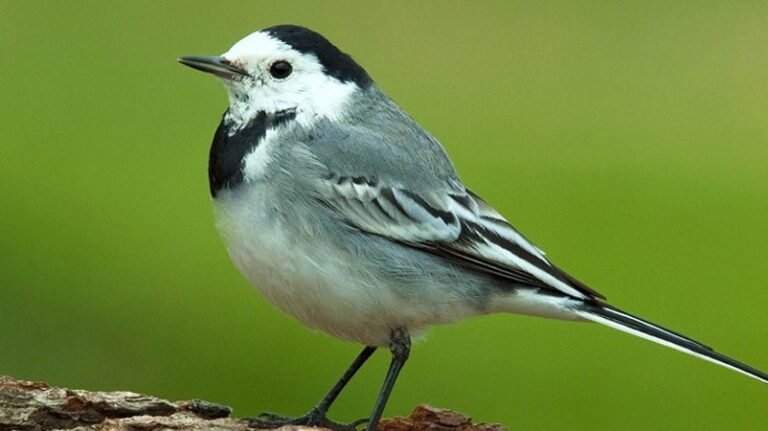
Al oír esto, la urraca se arrancó todas las plumas, dejándole solo la cola.
La anciana, con su cabeza calva, se dirigió al pozo a buscar una jarra de agua para lavar el cadáver de su hijo.
Junto al pozo, una muchacha con un cántaro había venido a sacar agua. Al ver a la anciana, le preguntó:
—¡Ay, anciana! ¿Por qué te has arrancado el pelo hasta quedarte completamente calva?
—¡Ay, querida! ¿Cómo puedo evitar arrancarme el pelo y quedarme calva si mi ratoncito ha muerto?
La muchacha, en su dolor, rompió su cántaro en dos y corrió a contarle la historia a la emperatriz. La dama real, al oírla, se cayó del balcón, se rompió el tobillo y murió.
El emperador, por amor a su esposa, se marchó y se hizo monje en el monasterio de las Mentiras, más allá del País de la Verdad.
Mientras yo conocí a mis abuelos,
a quienes les conté esta sencilla historia,
les pareció tan pura broma
que su solo recuerdo les provocó risa.
Cuento popular rumano recopilado por Mite Kremnitz en Roumanian Fairy Tales, libro adaptado y arreglado por J. M. Percival en 1885